The FBI's $36 Million Plan to Subscribe to Nationwide Vehicle Tracking
For decades, the idea of federal agents tracking a citizen’s every movement across the country evoked images of covert operatives planting GPS bugs under car...
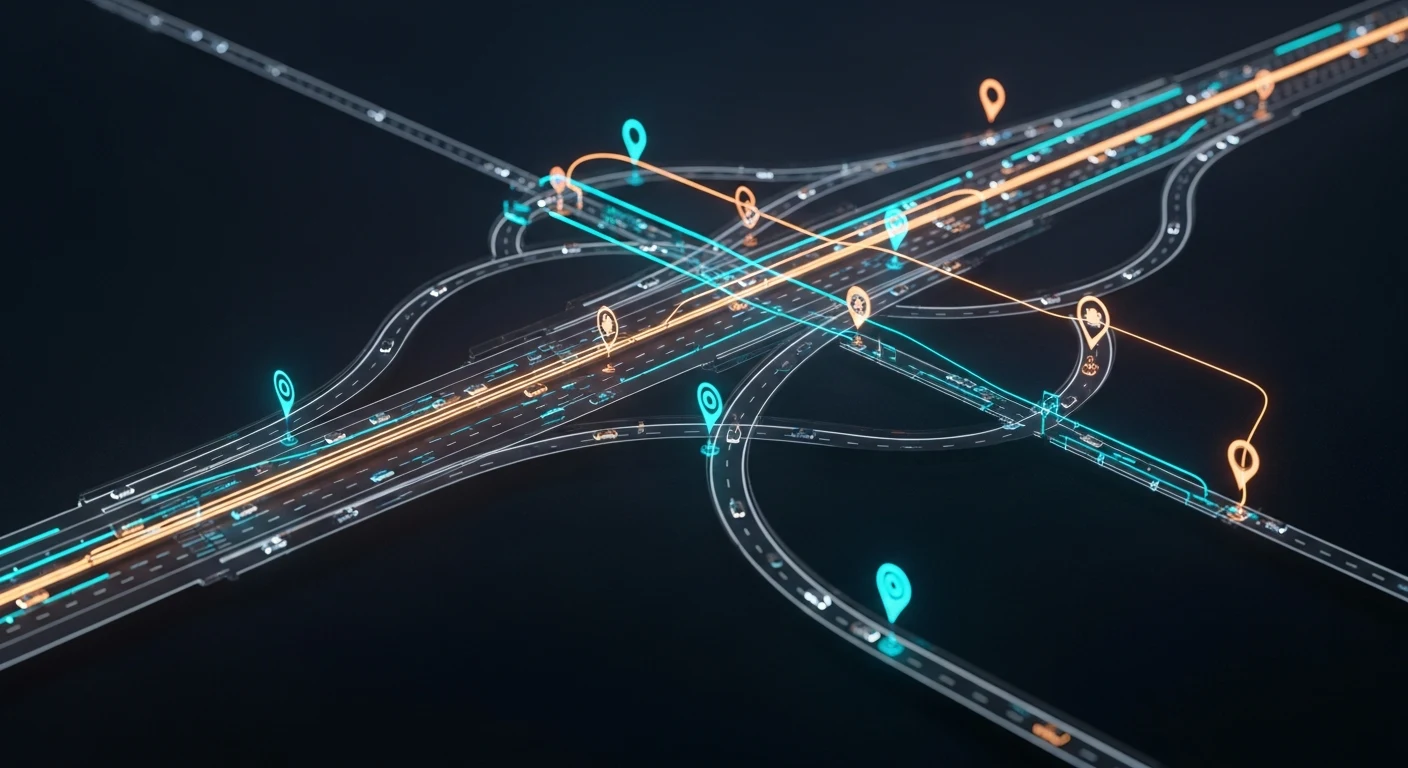
For decades, the idea of federal agents tracking a citizen’s every movement across the country evoked images of covert operatives planting GPS bugs under car bumpers—a process requiring intense resources and, crucially, a judge’s warrant. Today, that same level of surveillance might just require a software subscription.
According to recently surfaced procurement records, the FBI’s Directorate of Intelligence is looking to spend up to $36 million to gain nationwide access to Automated License Plate Reader (ALPR) databases. Rather than building its own physical camera network, the agency is seeking a commercial Software-as-a-Service (SaaS) vendor that can provide an instant, searchable map of vehicle movements stretching from the East Coast to Hawaii, and even to outlying territories like Guam.
The underlying technology is a potent mix of computer vision and big data. Modern ALPR systems do not merely record video. They continuously scan passing traffic, extracting the make, model, color, and license plate of every vehicle. Each scan generates a distinct data point locked with a specific time, date, and GPS coordinate. When aggregated, these billions of data points allow users to query a license plate and instantly view a historical map of exactly where and when that car has traveled.
What makes this development particularly significant is how the data is sourced. The FBI isn't installing these cameras on neighborhood street corners. Instead, the agency is looking to tap into massive existing networks built by private companies. Firms like Flock have deployed tens of thousands of cameras across local municipalities, while others like Motorola Solutions have amassed billions of records by outfitting local police cruisers and even private repossession tow trucks with roaming scanners.
By purchasing access to commercially available data, federal agencies can effectively bypass the traditional legal friction of obtaining a warrant to track a vehicle. It represents a fundamental shift in how intelligence gathering operates in the 21st century: mass surveillance is increasingly privatized, packaged, and sold as a convenient enterprise software solution.
As artificial intelligence makes it easier to categorize and search the physical world, the boundaries of privacy are shifting. The asphalt we drive on is becoming as trackable as the websites we browse, prompting a necessary public conversation about the limits of commercial data brokering and government oversight.
Key Points
- The FBI is seeking a $36 million contract for nationwide access to commercial Automated License Plate Reader (ALPR) systems.
- ALPRs use computer vision to log vehicle make, model, color, and license plate, creating a searchable map of historical movements.
- By buying data from private vendors like Flock or Motorola, agencies can track vehicles without needing a traditional warrant.
- The procurement highlights a shift toward treating physical surveillance as a commercial Software-as-a-Service (SaaS) product.
Why It Matters
This development blurs the line between commercial data collection and government surveillance, showing how easily our physical movements in public spaces can be turned into a searchable database.
Sources:
更多专栏

The Cryptographer's Warning: AI and the Speed of Surprise
Imagine waking up to a digital world where secure communication is mathematicall...

The Skyward Shift: Meet the Drone Traffic Controllers
When we imagine the impact of artificial intelligence on the job market, the nar...

The End of the AI Black Box
Imagine buying a high-performance car with the hood welded shut. You can drive i...