The Rise of the ChatGPT Flyer: AI's Awkward Physical Era
There is a specific visual signature taking over our physical world: a hyper-glossy, slightly melted aesthetic that makes you look twice. It’s on the bulletin...
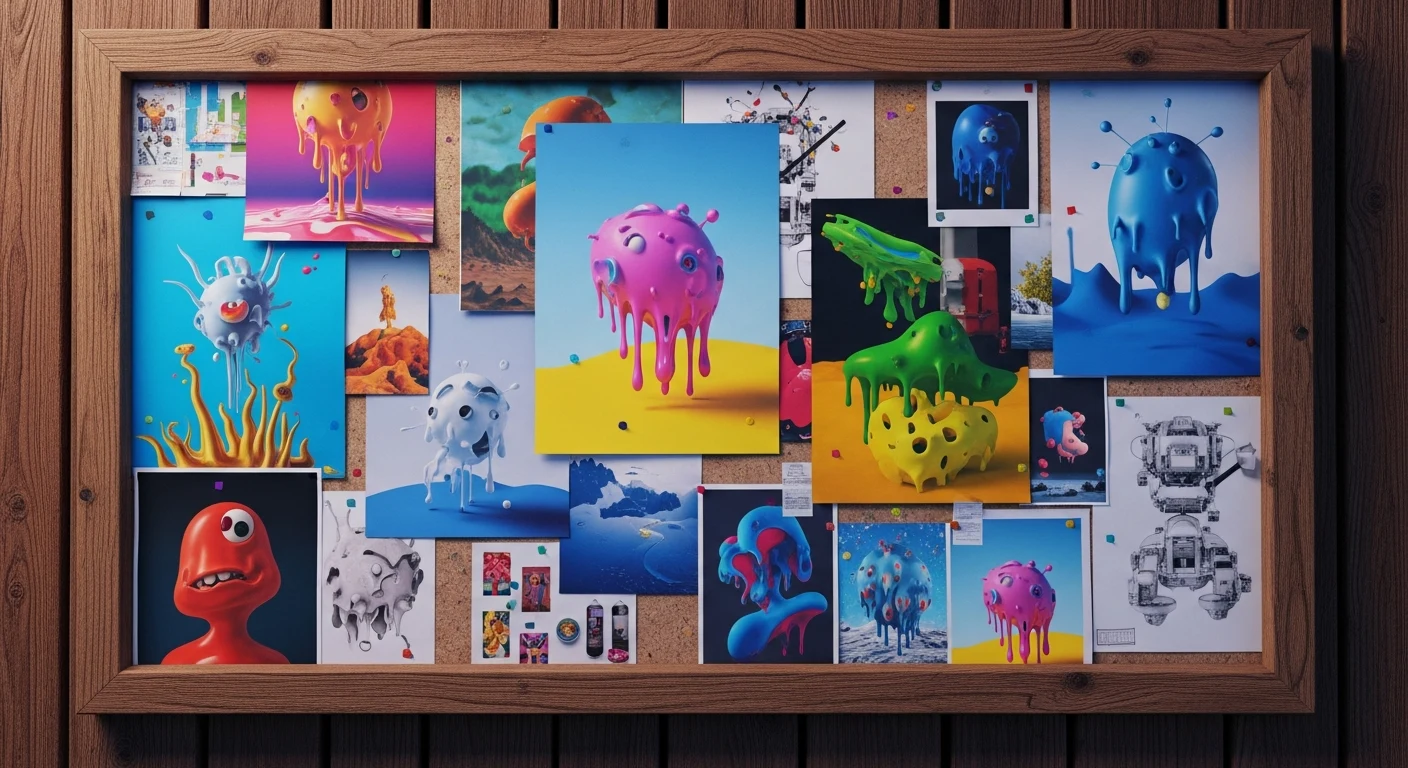
There is a specific visual signature taking over our physical world: a hyper-glossy, slightly melted aesthetic that makes you look twice. It’s on the bulletin board at your local coffee shop, the table tent at a neighborhood diner, and the promotional flyer for a weekend farmers' market. The era of the "ChatGPT flyer" has officially arrived.
Recently, the tech publication 404 Media asked its audience to submit examples of AI-generated signage they’ve encountered in the wild. The resulting flood of submissions revealed a fascinating, sometimes hilarious, and often frustrating trend: generative AI is no longer just a novelty on social media. It has firmly breached the physical realm. Readers submitted everything from bizarrely rendered Mexican restaurant menus in rural Ohio to bar advertisements featuring completely mangled, unrecognizable beer logos.
For many, this sudden influx of algorithmic art feels like visual pollution. Once you learn to spot the hallmark signs of cheap AI generation—the nonsensical text, the uncanny lighting, the anatomical impossibilities—you begin to see it everywhere. The irony in how these tools are deployed can be striking. In one notable submission, a city parking authority utilized an AI-generated poster to promote a community engagement event for a new, human-painted mural. It was a deeply ironic choice for a municipality that actively boasts about its growing arts district but apparently lacked the human resources to design a simple flyer.
Yet, the story isn't entirely about lazy marketing or aesthetic degradation. In Altadena, California, a community still reeling and displaced from a devastating wildfire relies heavily on generative AI to create flyers for local support events. When organizers are stretched thin, traumatized, and operating with zero budget, AI provides a free, instant way to communicate vital information. In these instances, criticizing the "plastic" look of an AI poster feels not just pedantic, but disconnected from the reality of grassroots survival.
This dichotomy perfectly captures the current state of everyday AI. It is simultaneously a miraculous tool for the under-resourced and a source of rampant, low-effort visual clutter. As AI image generators become even more embedded in our daily workflows, this uncanny aesthetic is rapidly becoming the new default for local communication. The challenge moving forward isn't just about spotting the extra fingers or misspelled words—it's about understanding the trade-offs we make when ultimate convenience becomes the primary driver of our physical visual landscape.
Key Points
- AI-generated flyers are moving from digital spaces into physical environments, appearing in restaurants, streets, and local businesses.
- The distinctive, often flawed 'AI aesthetic' is generating backlash from people who view it as low-effort visual pollution.
- The use of AI can lead to ironic situations, such as using algorithmic art to promote human-made public murals.
- For under-resourced or crisis-stricken communities, AI image generators provide a crucial, free tool for grassroots communication.
Why It Matters
The ubiquity of AI flyers highlights the tension between the democratization of design tools and the potential degradation of our everyday visual culture.
Sources:
更多专栏

Taking the Wheel: How Facebook Wants You to Train Its Algorithm
Imagine being at a party where the DJ is locked in a soundproof booth. They watc...

The AI Detective: How OpenAI Caught an Insider Threat
Corporate espionage usually conjures images of hidden cameras, shadowy informant...

Your App Store is Becoming a Personal AI Concierge
For over a decade, app stores have functioned like massive, somewhat rigid digit...