From Digital Art to Medical Hardware
Imagine walking into a high-end spa, but instead of preparing for a massage, you step into a futuristic water tank designed to scan your entire body. This...
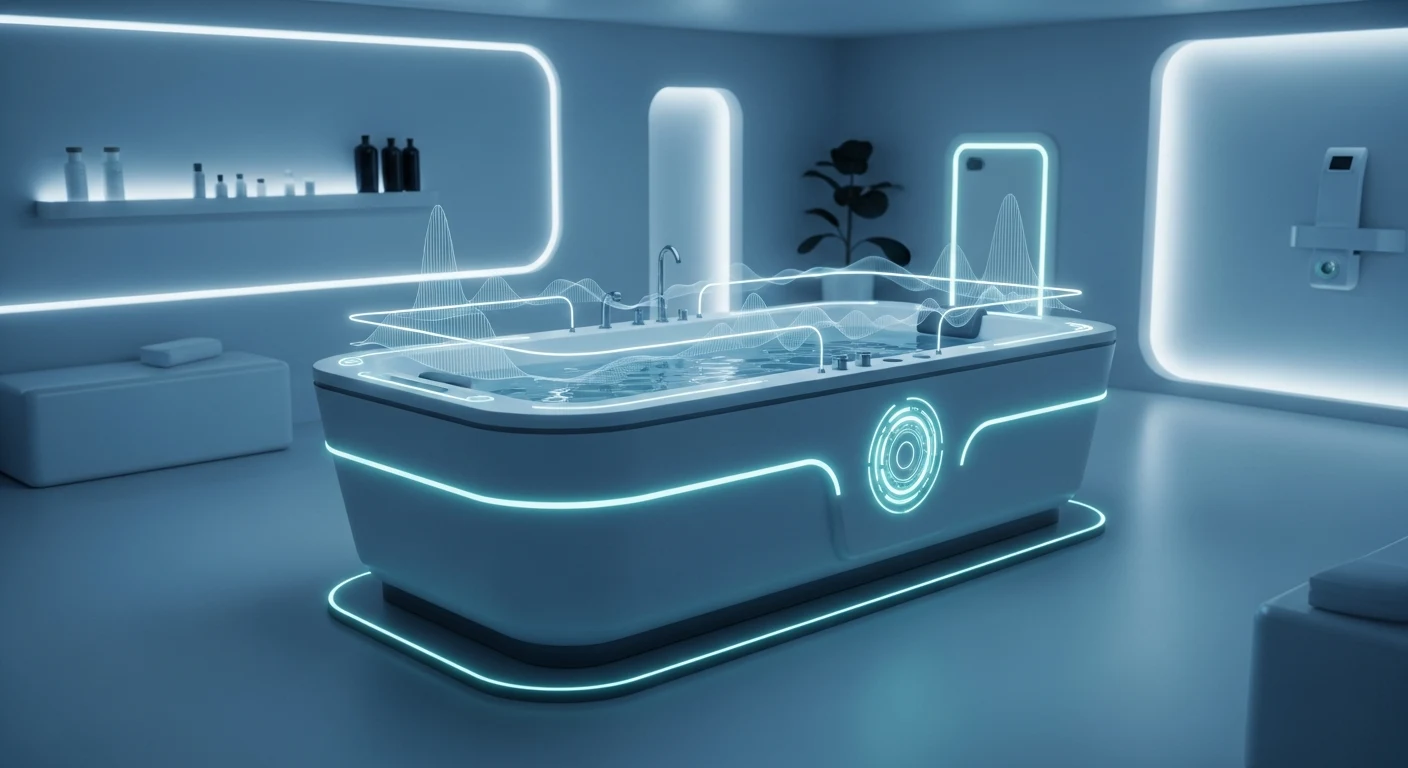
Imagine walking into a high-end spa, but instead of preparing for a massage, you step into a futuristic water tank designed to scan your entire body. This isn't a scene from a science fiction movie; it is the actual ambition of Midjourney, the AI startup globally recognized for its popular text-to-image generator.
In a surprising pivot from digital software to physical healthcare hardware, Midjourney is developing a "dunk-tank" ultrasound scanner. Recently, tech YouTuber and Midjourney engineer Marcin Plaza released a 20-minute behind-the-scenes video showcasing the prototype. With refreshing candor, Plaza described the current iteration as a collection of dismantled ultrasound probes attached to a "glorified hot tub with an elevator in it." The entire rig is powered not by proprietary medical supercomputers, but by off-the-shelf PCs and Raspberry Pi microcomputers.
The company's ultimate goal is undeniably compelling. By combining cheap, accessible hardware with advanced AI algorithms capable of stitching together complex visual data, Midjourney hopes to democratize medical imaging. They envision a future where detailed, radiation-free body scans are as affordable and routine as a wellness treatment at a local spa.
However, the tech and medical communities are responding with a heavy dose of skepticism. The primary issue is the glaring absence of clinical validation. Building an AI model that can generate a beautiful landscape is fundamentally different from engineering a diagnostic tool. In the world of Silicon Valley software, releasing a beta version and fixing bugs on the fly is standard practice. In the medical field, a "bug" could mean a missed diagnosis or a false positive, leading to severe real-world consequences for patients.
Critics point out that while the hardware setup is an impressive feat of DIY engineering, there is currently little to no proof that the scanner can reliably separate and identify internal anatomical structures under real-world conditions. A machine cobbled together from consumer electronics and hacked probes must clear incredibly high regulatory and scientific hurdles before it can be considered a legitimate medical device.
Midjourney's foray into healthcare serves as a fascinating case study of the current AI boom. It highlights the immense confidence tech companies have in their algorithms, believing that software prowess can overcome traditional hardware limitations. While AI will undoubtedly play a massive role in the future of medical imaging, the bridge between a visionary tech demo and a life-saving clinical tool is built on rigorous, peer-reviewed evidence—something this high-tech hot tub still lacks.
Key Points
- Midjourney is developing a physical 'dunk-tank' ultrasound scanner, pivoting from its roots in AI image generation.
- The prototype is built using repurposed ultrasound probes, standard PCs, and Raspberry Pis, resembling a modified hot tub.
- The company aims to offer cheap, radiation-free imaging in non-clinical settings like spas.
- Critics highlight the lack of clinical evidence proving the device's efficacy, contrasting Silicon Valley's hacker ethos with strict medical standards.
Why It Matters
It illustrates the growing trend of AI software companies attempting to disrupt healthcare hardware, while highlighting the critical gap between tech prototypes and scientifically validated medical tools.
Sources:
更多专栏

AI Engineers Microscopic Scissors to Slice Disease-Causing Proteins
The chemical bonds that hold proteins together are remarkably stubborn. Left in ...

The Blank Text Box That Enabled AI Surveillance
When we think of artificial intelligence and privacy, our minds often jump to fa...

Who Inherits Your Secrets When an AI Company Goes Bankrupt?
When a beloved neighborhood bakery closes, they might sell their ovens, display ...