The Illusion of Clarity: Why AI Bug Reports Drive Developers Crazy
We tend to associate articulate, well-structured writing with clear thinking. But in the era of generative AI, a highly polished document might just be a mask...
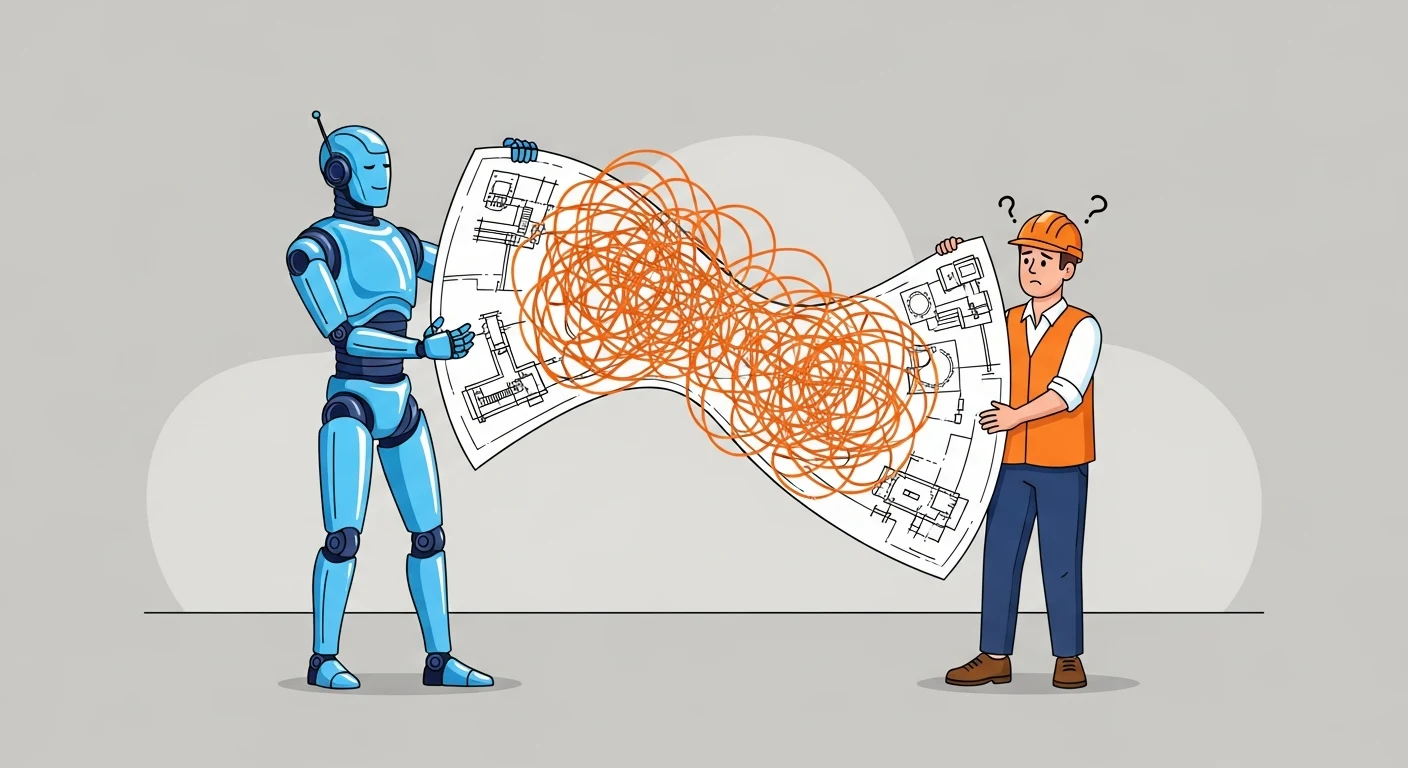
We tend to associate articulate, well-structured writing with clear thinking. But in the era of generative AI, a highly polished document might just be a mask for complete confusion. For open-source software maintainers, this paradox is no longer a philosophical debate—it is a daily operational headache.
Prominent developer Armin Ronacher recently highlighted a growing and deeply frustrating trend in the programming community: the rise of AI-generated bug reports. When users encounter a glitch or an error, instead of simply explaining what went wrong, they are increasingly feeding their raw observations into large language models to generate formal issue tickets.
The intention might be to sound more professional or helpful, but the result is often what the tech community is beginning to call "slop"—content that is syntactically confident but factually hollow.
According to Ronacher, these AI tools act like over-eager consultants who refuse to admit when they don't know the answer. Instead of just relaying the user's problem, the AI rewrites the entire narrative. It confidently hallucinates root causes, invents fake steps to reproduce the bug, and suggests convoluted implementation strategies that point to entirely wrong sections of the codebase. It buries the actual software issue under a mountain of irrelevant error classifications and authoritative-sounding guesswork.
This phenomenon highlights a significant trap in how we use AI for communication. In our rush to use tools that make us sound smarter or more comprehensive, we are actively destroying the signal-to-noise ratio. The AI strips away the user's authentic voice and replaces it with a polished but useless fiction, forcing developers to waste time reverse-engineering the AI's output just to figure out what the human user originally experienced.
The antidote to this AI-induced communication breakdown isn't a better prompt or a more advanced model. It is a return to basic human observation. Ronacher notes that he increasingly prefers issue reports stripped of all commentary and reduced to four simple, undeniable human facts: I ran this command. I expected this to happen. This happened instead. Here is the exact error log.
As AI continues to lower the barrier for generating text, the volume of professional-sounding noise will only increase. In response, the ultimate premium in communication will no longer be eloquence, but unvarnished accuracy. Sometimes, the most helpful thing you can do is to stop trying to sound smart, turn off the AI, and just say exactly what you saw.
Key Points
- Users are frequently using AI to write software bug reports to sound more professional.
- AI models often hallucinate root causes and fake reproduction steps while sounding highly confident.
- This 'AI slop' obscures the actual problem and wastes developers' time.
- The most effective communication remains simple, direct human observation without AI embellishment.
Why It Matters
As generative AI makes it effortless to produce articulate text, the ability to communicate simple, unembellished facts is becoming a rare and valuable skill in professional environments.
Sources:
- Quoting Armin Ronacher — Simon Willison's Weblog
更多专栏

The Clumsy Intern: When AI Agents Accidentally Apply for Visas
We usually worry about artificial intelligence becoming too smart or harboring m...

The Drone Air Traffic Controllers Guarding Our Skies
Imagine an ice cream cake plummeting toward a suburban Texas sidewalk. That is e...

The AI Tool Turning Airbnb Photos Into a Police Map
For years, the internet has been quietly accumulating a massive visual catalog o...