The Heavy Cloud: When Data Centers Meet Local School Budgets
We often talk about the "cloud" as if it’s a weightless, invisible realm where our data and AI models live. But the cloud is actually made of steel, concrete,...
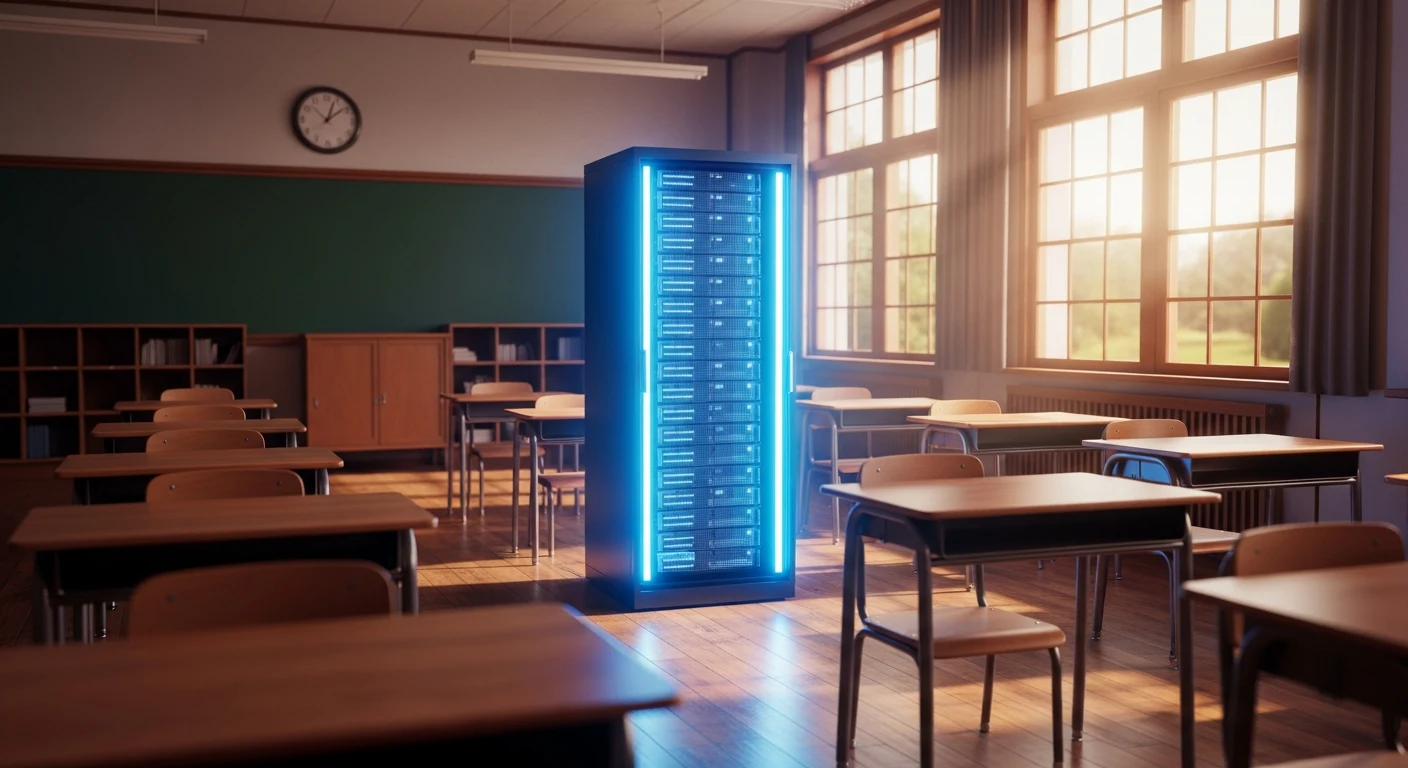
We often talk about the "cloud" as if it’s a weightless, invisible realm where our data and AI models live. But the cloud is actually made of steel, concrete, and millions of humming servers—and it requires a staggering amount of electricity to stay afloat.
Consider Henrico County, Virginia. Just outside Richmond, this community of over 350,000 residents recently collided with the physical realities of the digital age. In late June, the county manager sent an email to thousands of local government employees, including school staff, with a simple plea: please conserve electricity.
The urgency stemmed from a looming 25% spike in electricity rates for government and school facilities, projected to add $5 million to the county's costs in a single fiscal year. Yet, just down the road from these budget-conscious schools sit 37 massive data centers, including a facility built by Meta in 2017. And the expansion isn't stopping—there are plans for 17 more, some potentially slated to replace historic Civil War battlefields.
This striking juxtaposition perfectly encapsulates the growing tension between rapid technological expansion and local municipal infrastructure. As artificial intelligence models become more sophisticated, the computing power required to train and run them skyrockets. Data centers are the engines of the AI boom, but they are incredibly power-hungry, demanding massive amounts of energy not just for processing, but for cooling the hardware.
While the local government's email didn't explicitly blame the tech facilities for the rate hike, the situation highlights a broader reality. Henrico County’s predicament serves as a tangible reminder that our digital conveniences come with physical price tags. When we ask an AI to write a report or generate an image, the energy is drawn from local grids somewhere in the world.
As we continue to build the infrastructure for tomorrow's technology, communities and tech giants alike will have to figure out how to keep the servers humming without leaving local schools in the dark.
Key Points
- Henrico County, Virginia, hosts 37 data centers with 17 more planned.
- A 25% hike in electricity rates prompted local officials to ask schools and government staff to conserve power.
- The physical infrastructure of AI and cloud computing places significant demands on local energy grids.
Why It Matters
The digital convenience of AI relies on physical infrastructure that consumes massive amounts of energy, creating unexpected financial and resource pressures for the local communities that host them.
Sources:
更多专栏

Taking the Wheel: How Facebook Wants You to Train Its Algorithm
Imagine being at a party where the DJ is locked in a soundproof booth. They watc...

The AI Detective: How OpenAI Caught an Insider Threat
Corporate espionage usually conjures images of hidden cameras, shadowy informant...

Your App Store is Becoming a Personal AI Concierge
For over a decade, app stores have functioned like massive, somewhat rigid digit...