Beyond the Naked Eye: The Invisible Tech Securing Digital Reality
Imagine trying to listen to 60,000 years of continuous audio, or scrolling through a gallery of 100 billion images and videos. That staggering volume...
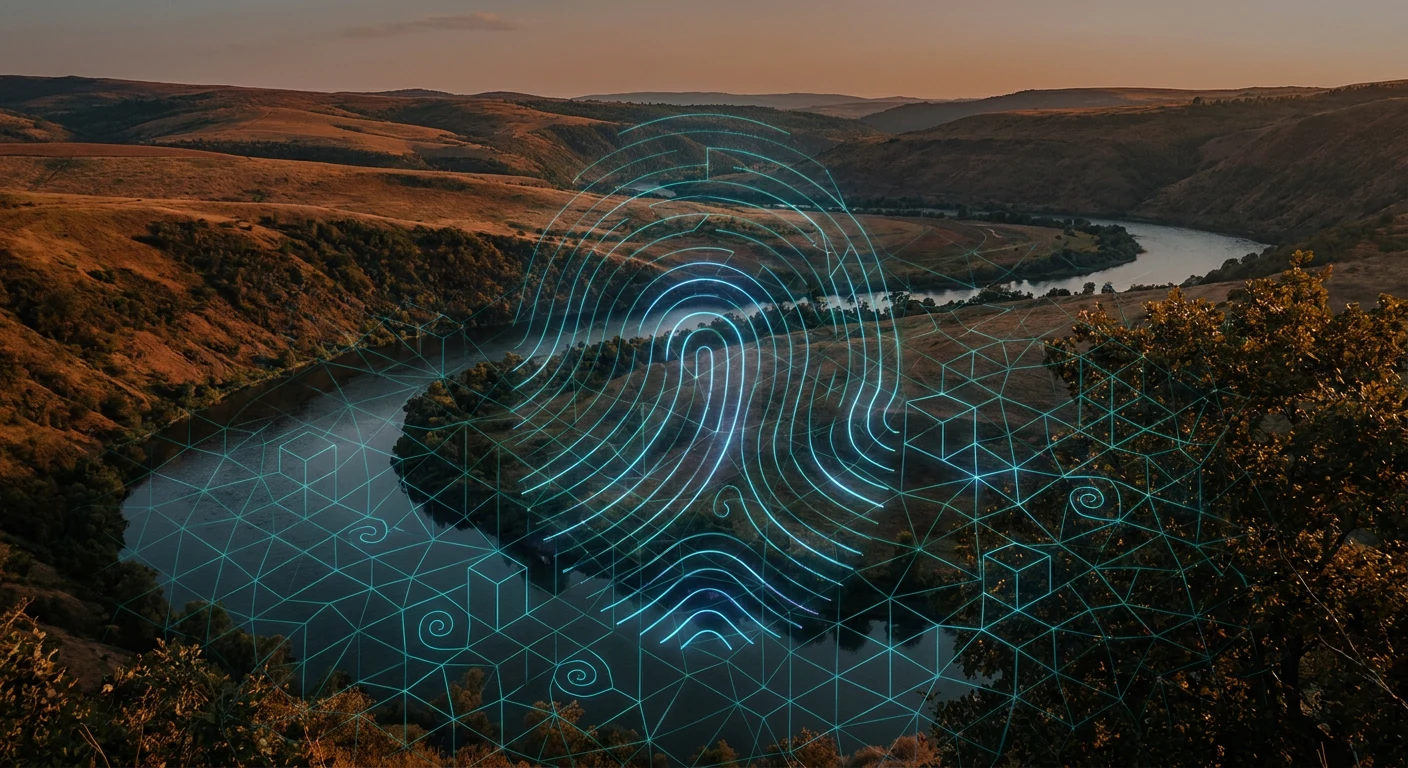
Imagine trying to listen to 60,000 years of continuous audio, or scrolling through a gallery of 100 billion images and videos. That staggering volume represents the amount of synthetic media that has already been quietly tagged by SynthID, an invisible watermarking technology developed by Google.
Not long ago, navigating the internet's synthetic landscape was a bit like playing a visual parlor game. We looked for the telltale signs of early AI: oddly proportioned limbs, nonsensical background text, or the infamous six-fingered hand. Today, those glitches have been smoothed over by exponentially more powerful models. As generative AI reaches a point where its outputs are virtually indistinguishable from reality, the tech industry is realizing that human intuition is no longer a reliable filter.
To combat the looming crisis of digital authenticity, a coalition of tech heavyweights is forming. Google’s SynthID is expanding far beyond its own ecosystem, with major players like OpenAI and Nvidia adopting the technology. Unlike traditional watermarks that sit visibly on top of an image, SynthID weaves its cryptographic signature directly into the pixels of an image or the waveforms of an audio track, remaining detectable to software even if the file is cropped or compressed.
However, invisible watermarks are only half of the emerging solution. The industry is also rallying around C2PA, an open standard that functions much like a nutritional label for digital files. Instead of just flagging content as "AI-generated," C2PA attaches secure metadata detailing the exact provenance of a file—who created it, what tools were used, and how it was edited along the way.
What makes this shift truly significant is how quickly it is moving from back-end server farms to the devices in our pockets. Smartphones like Google's Pixel series are beginning to embed this C2PA metadata directly into photos and videos at the moment of capture. If a user relies on a heavy AI zoom feature to enhance a distant object, the resulting image is automatically tagged to reflect that generative intervention.
Soon, this transparency will be woven into the fabric of how we browse the web. AI assistants like Gemini, along with everyday tools like Google Chrome and Search, are being updated to read these digital ingredient lists natively. In the near future, verifying the authenticity of a viral image won't require a degree in digital forensics; a simple click in your browser will reveal its entire history. As AI continues to blur the lines of reality, these invisible guardrails will be essential in helping us maintain a shared understanding of what is real.
Key Points
- Visual detection of AI-generated content is no longer viable due to the high realism of modern generative models.
- Google's SynthID, an invisible watermarking tool, is seeing cross-industry adoption by companies like OpenAI and Nvidia.
- The C2PA standard acts as a digital 'nutrition label,' providing secure metadata about a file's origin and editing history.
- These verification tools are being integrated directly into consumer hardware (smartphones) and software (browsers and AI chatbots) for everyday use.
Why It Matters
Establishing reliable, invisible standards for digital provenance is crucial for preventing a complete collapse of trust in online media as generative AI tools become ubiquitous.
Sources:
更多专栏

The Clumsy Intern: When AI Agents Accidentally Apply for Visas
We usually worry about artificial intelligence becoming too smart or harboring m...

The Drone Air Traffic Controllers Guarding Our Skies
Imagine an ice cream cake plummeting toward a suburban Texas sidewalk. That is e...

The AI Tool Turning Airbnb Photos Into a Police Map
For years, the internet has been quietly accumulating a massive visual catalog o...