Public Profile, Private Face: Why Meta Abruptly Killed Its Instagram AI Feature
In the fast-paced world of Silicon Valley product rollouts, it is exceedingly rare to see a major feature launched and scrapped within the span of a single...
In the fast-paced world of Silicon Valley product rollouts, it is exceedingly rare to see a major feature launched and scrapped within the span of a single week. Yet, that is exactly what happened with Meta’s latest attempt to deeply integrate generative artificial intelligence into the everyday Instagram experience.
Recently, Meta introduced a new capability tied to its newly announced Muse Image AI model. The premise sounded like a seamless blend of social interaction and AI generation: users could create synthetic images based on the visual content of any public Instagram account simply by tagging them with an "@" mention. Envisioned by the company as a "useful creative tool" designed to foster interaction, the feature instead sparked immediate, intense backlash across the internet. Confronted with a wave of user outrage, Meta abruptly pulled the plug.
The rapid rise and fall of this feature highlights a growing friction point in the modern digital landscape: the evolving definition of public consent. Historically, maintaining a "public" social media profile meant you were comfortable with strangers viewing, liking, or sharing your posts. It was a broadcast mechanism. However, Meta’s new AI tool unilaterally shifted that definition. Suddenly, a public profile meant your personal photos, your daily life, and your likeness could be harvested as raw material for someone else's AI creations—all without your explicit permission or knowledge.
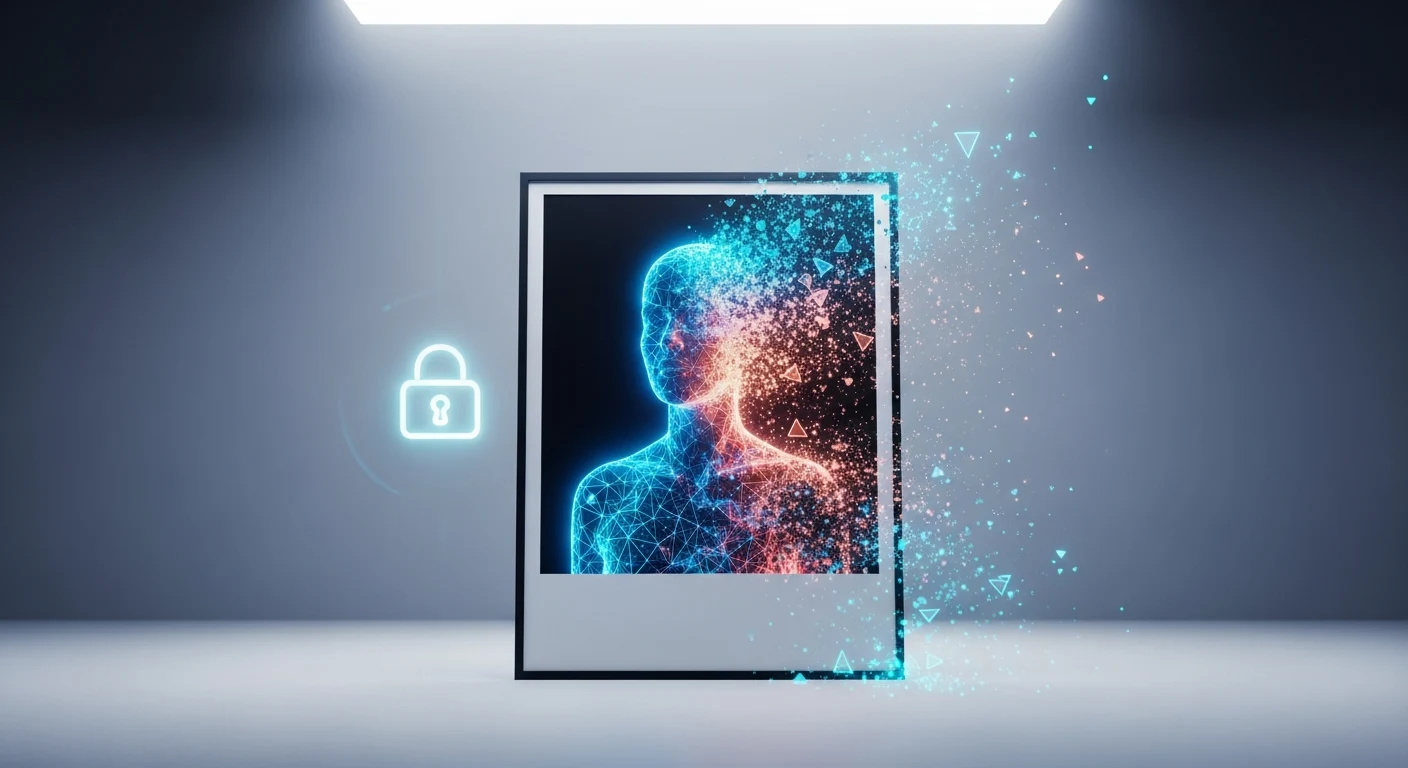
This incident touches on the highly sensitive issue of digital identity in the age of deepfakes. While Meta may have intended for the tool to be used for harmless, creative remixes among friends and followers, users quickly realized the darker potential for misuse. The realization that anyone could effortlessly generate synthetic, potentially misleading images of real people using their public feeds struck a collective nerve. It exposed the uncomfortable gap between what technology can do and what users actually want it to do.
Furthermore, the backlash demonstrates a growing public awareness regarding AI data usage. People are no longer just passive consumers of social media; they are increasingly protective of their digital footprint. When tech companies blur the lines between a photo gallery and an AI training dataset, they risk breaking the fundamental trust that keeps users on their platforms.
Meta's swift reversal serves as a crucial case study for the entire tech industry. It underscores a vital lesson: as artificial intelligence becomes deeply woven into the social platforms we use every day, companies cannot treat user lives as an open-access playground. True innovation in consumer AI must be paced by robust privacy guardrails and clear opt-in mechanisms, ensuring that the future of digital creativity never comes at the cost of personal consent.
Key Points
- Meta introduced a tool letting users generate AI images from public Instagram accounts via @-mentions.
- The feature was powered by Meta's new Muse Image AI model.
- Severe backlash erupted because the tool bypassed explicit user consent, sparking deepfake fears.
- Meta quickly disabled the feature, highlighting growing consumer sensitivity to AI data harvesting.
Why It Matters
As AI integrates into social media, the definition of a "public" profile is changing, raising urgent questions about who controls our digital likeness and personal data.
Sources:
更多专栏

Taking the Wheel: How Facebook Wants You to Train Its Algorithm
Imagine being at a party where the DJ is locked in a soundproof booth. They watc...

The AI Detective: How OpenAI Caught an Insider Threat
Corporate espionage usually conjures images of hidden cameras, shadowy informant...

Your App Store is Becoming a Personal AI Concierge
For over a decade, app stores have functioned like massive, somewhat rigid digit...