The Danger of the 'Cure Everything' AI Narrative
Tech industry keynotes have long been theaters of grand promises, where every new app or gadget is framed as a revolution. But at the recent Google I/O...
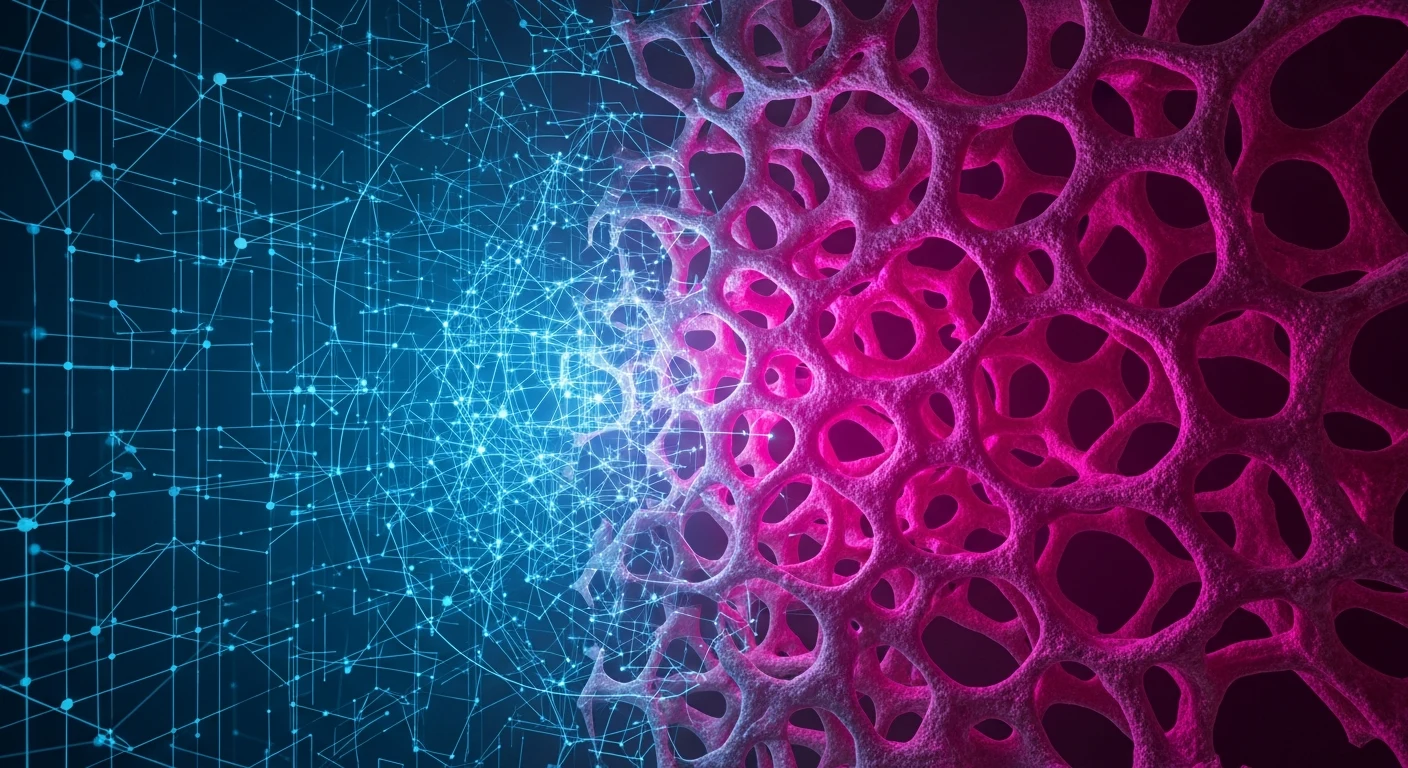
Tech industry keynotes have long been theaters of grand promises, where every new app or gadget is framed as a revolution. But at the recent Google I/O conference, the rhetoric reached a stratospheric new level. Demis Hassabis, the CEO of Google DeepMind, told the audience that the company hopes to reimagine drug discovery with the ultimate goal of "one day solving all disease."
It is a breathtaking statement—one that immediately sparked skepticism among tech and science critics. To understand why a brilliant mind might make such a claim, we have to look at AI’s recent track record. DeepMind’s own AlphaFold system has been nothing short of miraculous for structural biology, successfully predicting the 3D shapes of hundreds of millions of proteins. By turning what used to be a painstaking, years-long laboratory process into a computational task, AI has genuinely supercharged the earliest stages of drug discovery.
However, the leap from "accelerating molecular screening" to "curing all diseases" is where the Silicon Valley mindset collides with the messy reality of human biology.
Unlike software engineering, where bugs can be patched with a quick update, human biology is a chaotic, highly unpredictable system. A molecule that looks perfect in an AI simulation can fail spectacularly in the real world. It might be toxic to the liver, degrade too quickly in the bloodstream, or simply fail to interact with the target cell in a living organism. AI can generate millions of potential drug candidates, but those candidates still have to run the gauntlet of phase one, two, and three clinical trials. This is a grueling process that takes years and costs billions of dollars, with a historical failure rate of around 90 percent.
When tech leaders use phrases like "solve all disease," they apply a deterministic, engineering-first framing to an inherently unpredictable field. This kind of tech utopianism carries real risks. It can warp public expectations, leading patients to hope for imminent miracle cures that are still decades away, if they are possible at all. Furthermore, it risks creating a hype bubble that, when burst by the slow reality of medical science, could erode public trust in AI’s very real, albeit incremental, benefits.
Artificial intelligence is undeniably transforming medicine. It is a powerful tool for analyzing medical images, discovering new biomarkers, and optimizing clinical trial designs. But it is not a magic wand. As we navigate the future of healthcare, we should be highly skeptical of narratives that frame AI as an omnipotent savior, and instead focus on the rigorous, step-by-step scientific work required to bring actual treatments to the patients who need them.
Key Points
- Google DeepMind's CEO recently stated a goal of using AI to eventually 'solve all disease.'
- AI tools like AlphaFold have revolutionized early-stage drug discovery by predicting protein structures.
- Biology is highly complex; computational success does not guarantee clinical success in humans.
- Overpromising in tech keynotes risks creating unrealistic expectations and eroding public trust in actual AI progress.
Why It Matters
As AI integrates deeply into healthcare, distinguishing between marketing hype and scientific reality is crucial for maintaining public trust and ensuring responsible medical innovation.
Sources:
- ‘Solve all diseases,’ you say? — The Verge - AI
更多专栏
The Clumsy Intern: When AI Agents Accidentally Apply for Visas
We usually worry about artificial intelligence becoming too smart or harboring m...
The Drone Air Traffic Controllers Guarding Our Skies
Imagine an ice cream cake plummeting toward a suburban Texas sidewalk. That is e...
The AI Tool Turning Airbnb Photos Into a Police Map
For years, the internet has been quietly accumulating a massive visual catalog o...