When Your Robotaxi Calls the Cops
Imagine a driverless car abruptly pulling over, only for police officers to approach the vehicle with their weapons drawn. This sounds like a scene from a...
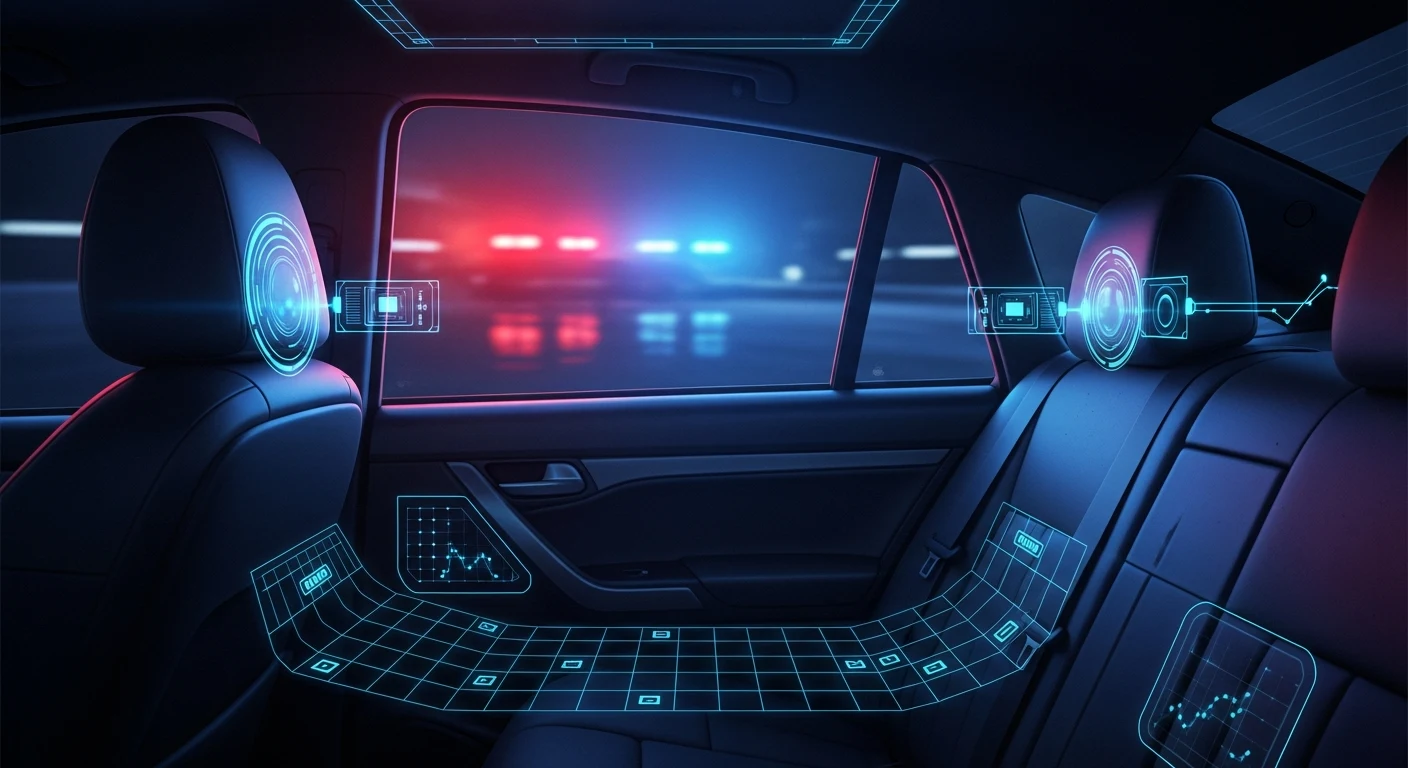
Imagine a driverless car abruptly pulling over, only for police officers to approach the vehicle with their weapons drawn. This sounds like a scene from a near-future cyberpunk thriller, but it recently played out on the streets of San Mateo, California.
The suspects? Two 15-year-old passengers. The informant? The very Waymo robotaxi they were riding in. According to local police, the autonomous vehicle reported that its occupants were "drinking and shooting from the vehicle." The reality turned out to be slightly less cinematic but equally problematic: the teenagers were drinking underage and firing Orbeez—expanding water beads—out of a painted toy gun.
While the incident ended safely with the teens detained and the toy weapon confiscated, it highlights a fascinating and somewhat unsettling reality about the future of transportation. When you step into a robotaxi, the absence of a human driver creates a compelling illusion of total privacy. You might feel like you are in a personal, moving living room where no one is watching. However, you are actually entering a highly sophisticated sensor pod.
Waymo’s own support policies note that their team can review video footage when issues are flagged. More importantly, in urgent situations, human support staff can access live video feeds from inside the cabin. The AI acts as the initial tripwire, monitoring for unusual activity, but there is an invisible human chaperone ready to step in—or call the authorities—if things go awry.
The San Mateo police praised the overall outcome, noting that the teens avoiding impaired driving was a smart move, even if their behavior inside the car was dangerous. Yet, this event forces us to ask critical questions about the boundary between safety and surveillance. A smart vehicle capable of reporting its passengers can prevent vandalism, medical emergencies, or serious crimes. But it also means that the price of this futuristic convenience is constant observation.
As autonomous fleets expand across our cities, society will have to navigate this new social contract. The robotaxi offers a smooth ride and a quiet cabin, but it is never truly blind to what happens in the backseat. The question remains: how much privacy are we willing to trade for the ultimate safe ride?
Key Points
- A Waymo autonomous vehicle in California called the police on two 15-year-old passengers for shooting a toy gun and drinking.
- Police approached the driverless car with guns drawn before discovering the weapon was an Orbeez water bead gun.
- Waymo's policies permit human support staff to access live interior video feeds during urgent situations.
- The incident underscores the tension between passenger privacy and safety monitoring in autonomous vehicles.
Why It Matters
As robotaxis become mainstream, the illusion of privacy in a driverless car is being challenged by the reality of built-in AI surveillance and human-in-the-loop safety protocols.
Sources:
更多专栏

Taking the Wheel: How Facebook Wants You to Train Its Algorithm
Imagine being at a party where the DJ is locked in a soundproof booth. They watc...

The AI Detective: How OpenAI Caught an Insider Threat
Corporate espionage usually conjures images of hidden cameras, shadowy informant...

Your App Store is Becoming a Personal AI Concierge
For over a decade, app stores have functioned like massive, somewhat rigid digit...