The Trojan Horse on Wheels
The bright yellow school bus is an enduring symbol of community safety. But beneath the flashing red lights and stop signs, a new kind of passenger is quietly...
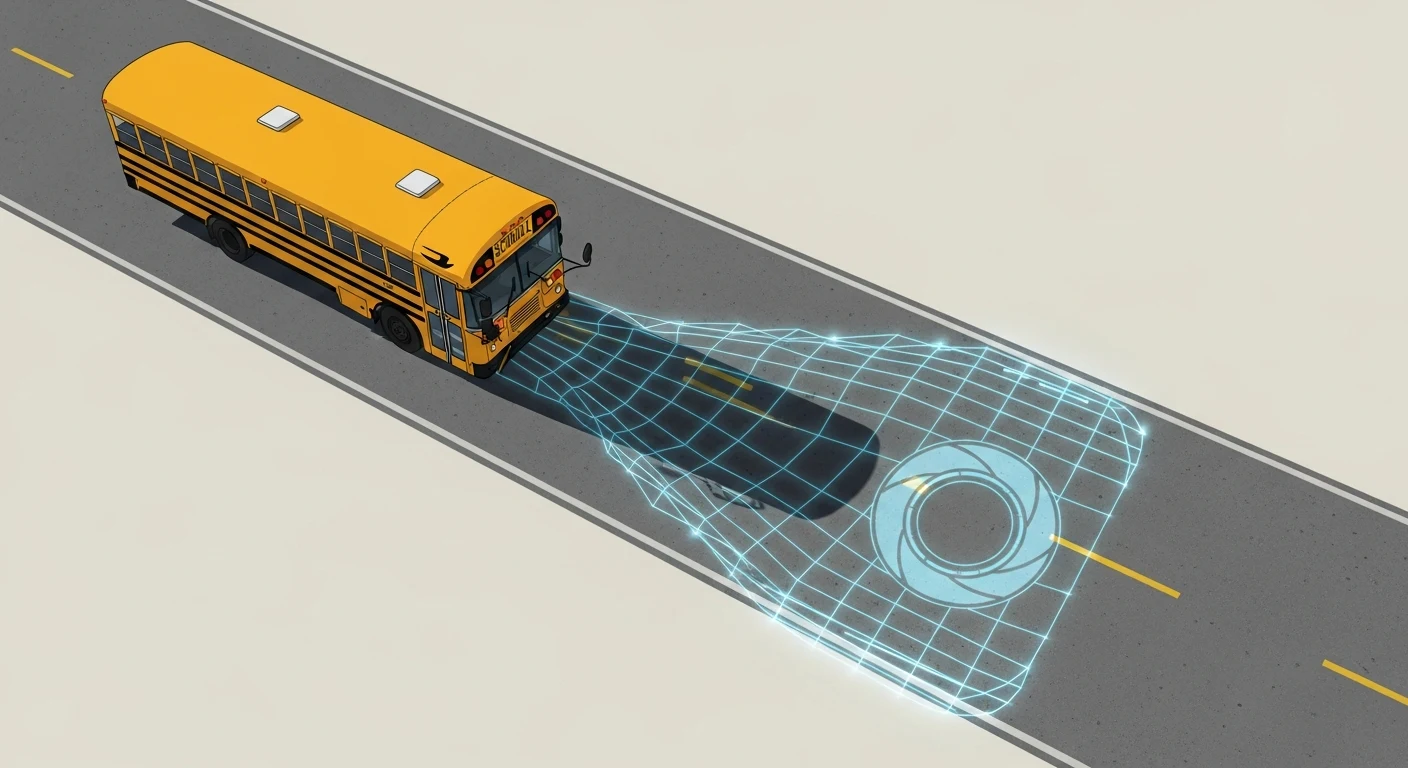
The bright yellow school bus is an enduring symbol of community safety. But beneath the flashing red lights and stop signs, a new kind of passenger is quietly riding along: a roaming dragnet surveillance system.
BusPatrol, a company that equips tens of thousands of U.S. school buses with AI-powered cameras, is orchestrating a major shift in how its technology is used. Originally, these cameras had a narrow, widely supported mandate: catch drivers who recklessly and illegally pass stopped school buses. It was a targeted solution to a specific safety problem. Now, however, the company intends to upgrade these cameras into Automatic License Plate Readers (ALPRs).
This is not a minor software update; it is a fundamental shift in purpose. Instead of merely recording traffic violators, these roaming cameras will continuously scan, capture, and log the location of every single vehicle they pass along their daily routes. According to leaked documents, BusPatrol plans to share this massive, ever-growing trove of location data with law enforcement agencies, including policing technology giant Axon.
The implications for everyday privacy are profound. When tens of thousands of buses drive through neighborhoods every morning and afternoon, they effectively map the daily movements of an entire community. Over time, ALPR data can reveal intimate details about a person's life—where they work, which doctors they visit, and where they sleep—often accessible to law enforcement without a warrant.
This scenario is a textbook example of "function creep" in AI and surveillance technology. A system is introduced to the public for a highly specific, universally agreeable reason—keeping kids safe. Once the hardware is physically embedded in the environment and public resistance is lowered, its capabilities are quietly expanded to serve broader, far more controversial law enforcement purposes.
Internal documents reveal that BusPatrol is well aware of the privacy controversies surrounding this shift. They specifically noted concerns that agencies like Immigration and Customs Enforcement (ICE) might use the license plate data. Yet, the company appears confident that the overarching narrative of "protecting children" will shield the initiative from significant public backlash.
It forces us to ask a difficult question: how much passive surveillance are we willing to accept in our neighborhoods? AI technology deployed under the banner of public safety can easily become a tool for mass monitoring. Establishing strict, legally binding guardrails on data collection and sharing isn't just an administrative detail—it is essential to ensuring that tools meant to protect our children don't end up policing our every move.
Key Points
- BusPatrol plans to upgrade AI cameras on thousands of U.S. school buses into Automatic License Plate Readers (ALPRs).
- The cameras will log the location of all passing vehicles, not just those breaking the law.
- This location data is slated to be shared with law enforcement agencies and tech contractors like Axon.
- The situation highlights 'function creep,' where tech approved for child safety is repurposed for mass surveillance.
Why It Matters
It demonstrates how easily AI technologies can expand beyond their original, socially acceptable purposes into invasive surveillance tools, highlighting the need for strict data governance.
Sources:
更多专栏

The Clumsy Intern: When AI Agents Accidentally Apply for Visas
We usually worry about artificial intelligence becoming too smart or harboring m...

The Drone Air Traffic Controllers Guarding Our Skies
Imagine an ice cream cake plummeting toward a suburban Texas sidewalk. That is e...

The AI Tool Turning Airbnb Photos Into a Police Map
For years, the internet has been quietly accumulating a massive visual catalog o...