Not in My Backyard: The Grassroots Rebellion Against AI Data Centers
Artificial intelligence is often imagined as an ethereal force living in the "cloud." But the cloud is heavy. It requires vast tracts of land, gigawatts of...
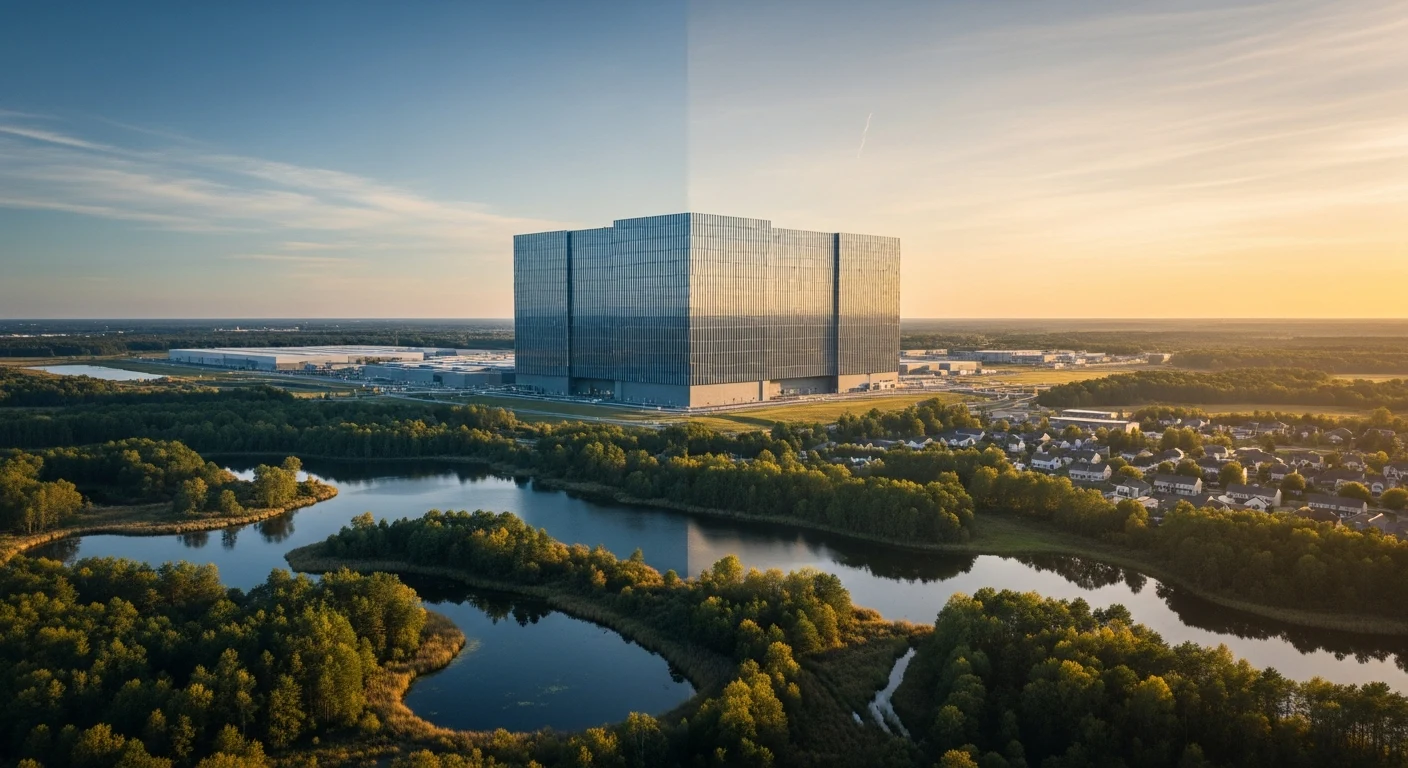
Artificial intelligence is often imagined as an ethereal force living in the "cloud." But the cloud is heavy. It requires vast tracts of land, gigawatts of electricity, and millions of gallons of water. Now, the physical reality of the AI boom is colliding with the people who have to live next to it, sparking a wave of resistance across the United States.
A bipartisan, grassroots movement is successfully pushing back against the rapid expansion of data centers. Local communities are waking up to the environmental and infrastructural toll of these massive computing warehouses, prompting a surge of moratoriums and canceled projects that could shape the tech landscape for years.
Take the Village of Caledonia in Wisconsin. Microsoft recently abandoned plans to build a 244-acre data center there after 2,000 residents signed a petition opposing the necessary land rezoning. Local officials cited a lack of early, direct engagement from the tech giant as a fatal flaw in the process, highlighting a growing disconnect between Silicon Valley's ambitions and local community interests.
Environmental concerns are a primary driver of this friction. In Colleton County, South Carolina, officials passed a six-month moratorium to halt an 800-acre data center planned for a pristine estuary. The project, which threatened 200 acres of untouched wetlands, faced lawsuits from local landowners and environmental advocates. Tellingly, the same developers had already been chased out of Georgia a year prior due to similar community resistance.
The sheer consumption of municipal resources is also forcing utility providers to hit the brakes. In Michigan, the Ypsilanti utility authority temporarily halted water delivery to new data center projects, effectively stalling a $1.2 billion facility—a move the developers fiercely criticized. In a neighboring township, logistics company Prologis voluntarily withdrew its application for a 312-acre data center after facing intense pushback at local planning meetings, prompting the town to draft new legal safeguards.
This localized friction is rapidly escalating to state legislatures. Lawmakers in Georgia, Maryland, and Oklahoma are considering bills to pause new data center permits for years while they study the impacts on local utility rates and water supplies. Even Virginia, historically the epicenter of American data centers, is weighing proposals to halt construction until power grids can catch up to the massive demand.
For years, the tech industry has treated infrastructure expansion as an inevitable byproduct of progress. But the growing coalition of local activists proves that AI's earthly footprint can no longer be ignored. To scale sustainably, the AI industry must learn to negotiate not just with microchips and code, but with the neighborhoods and ecosystems that power them.
Key Points
- The AI industry's reliance on resource-intensive data centers is triggering a strong backlash from local US communities.
- Major projects by tech giants and developers have been canceled or stalled in states like Wisconsin, Michigan, and South Carolina due to grassroots opposition.
- State legislatures are increasingly exploring multi-year moratoriums to study the impact of data centers on local water supplies and power grids.
Why It Matters
The physical infrastructure required for AI is straining local resources, showing that technological advancement cannot be decoupled from its real-world environmental impact.
Sources:
更多专栏

The Clumsy Intern: When AI Agents Accidentally Apply for Visas
We usually worry about artificial intelligence becoming too smart or harboring m...

The Drone Air Traffic Controllers Guarding Our Skies
Imagine an ice cream cake plummeting toward a suburban Texas sidewalk. That is e...

The AI Tool Turning Airbnb Photos Into a Police Map
For years, the internet has been quietly accumulating a massive visual catalog o...