Why an AI Cheerleader Got Booed at Graduation
Commencement speeches are traditionally a time for soaring rhetoric about the future, a moment when successful elders pass the torch of optimism to the next...
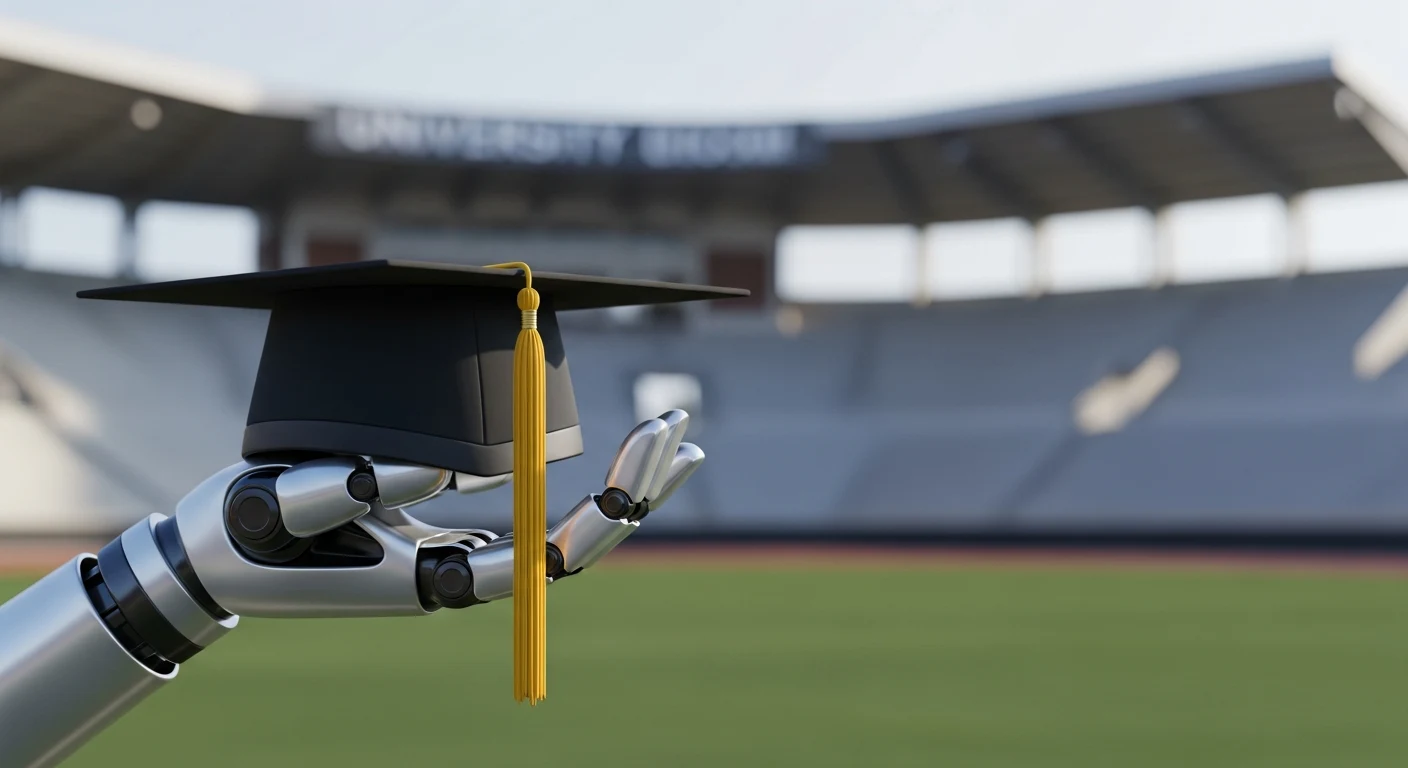
Commencement speeches are traditionally a time for soaring rhetoric about the future, a moment when successful elders pass the torch of optimism to the next generation. But when former Google CEO Eric Schmidt took the stage at the University of Arizona recently, his attempts to champion the artificial intelligence revolution were met with a starkly different soundtrack: a chorus of boos from the graduating class.
The incident highlights a growing disconnect between Silicon Valley’s techno-optimism and the lived reality of young adults stepping into a precarious economy. For tech leaders like Schmidt, AI represents a thrilling frontier of innovation and unprecedented productivity. However, for a 22-year-old clutching a newly minted degree and facing a fiercely competitive job market, the narrative is much darker. To them, generative AI doesn't necessarily look like a helpful copilot; it looks like an automated rival ready to absorb entry-level jobs in coding, writing, design, and administration.
Interestingly, Schmidt didn't entirely dismiss the crowd's hostility. He acknowledged that their anxieties were "rational," validating their fears that "the machines are coming, that the jobs are evaporating," and that they are inheriting a fractured world. Yet, reports indicate his frustration was palpable as the interruptions continued. This friction on stage perfectly encapsulates the broader societal tension surrounding AI today.
For decades, the tech industry has been used to presenting its latest disruptions as unalloyed goods, expecting public applause in return. The reaction at the University of Arizona suggests that this era of blind faith in tech is over. The graduating class of today is acutely aware that technological disruption often comes with collateral damage, and they are the ones who will have to navigate the fallout.
This vocal pushback is a crucial data point for the AI industry. It serves as a reminder that cheerleading the capabilities of large language models is not enough. If tech companies want to foster genuine societal acceptance of AI, they must engage meaningfully with the economic anxieties it creates. They need to move beyond utopian promises and start addressing the practical question of how human workers will transition and thrive in an AI-dominated landscape. The boos in Arizona weren't just a rejection of one man's speech; they were a demand for a more honest conversation about our shared future.
Key Points
- Former Google CEO Eric Schmidt was booed by University of Arizona graduates when discussing AI.
- The pushback highlights severe anxiety among young people entering a job market threatened by automation.
- The incident underscores the widening gap between Silicon Valley's techno-optimism and the public's economic fears.
Why It Matters
It signals an end to the public's blind faith in tech disruption, demanding that industry leaders address the real-world economic consequences of AI.
Sources:
更多专栏

The Cryptographer's Warning: AI and the Speed of Surprise
Imagine waking up to a digital world where secure communication is mathematicall...

The Skyward Shift: Meet the Drone Traffic Controllers
When we imagine the impact of artificial intelligence on the job market, the nar...

The End of the AI Black Box
Imagine buying a high-performance car with the hood welded shut. You can drive i...