Teaching AI New Tricks: The RAG vs Fine-Tuning Dilemma
Think of a foundational large language model (LLM) like a master chef who has memorized every recipe in the world up until a specific date in 2023. This chef...
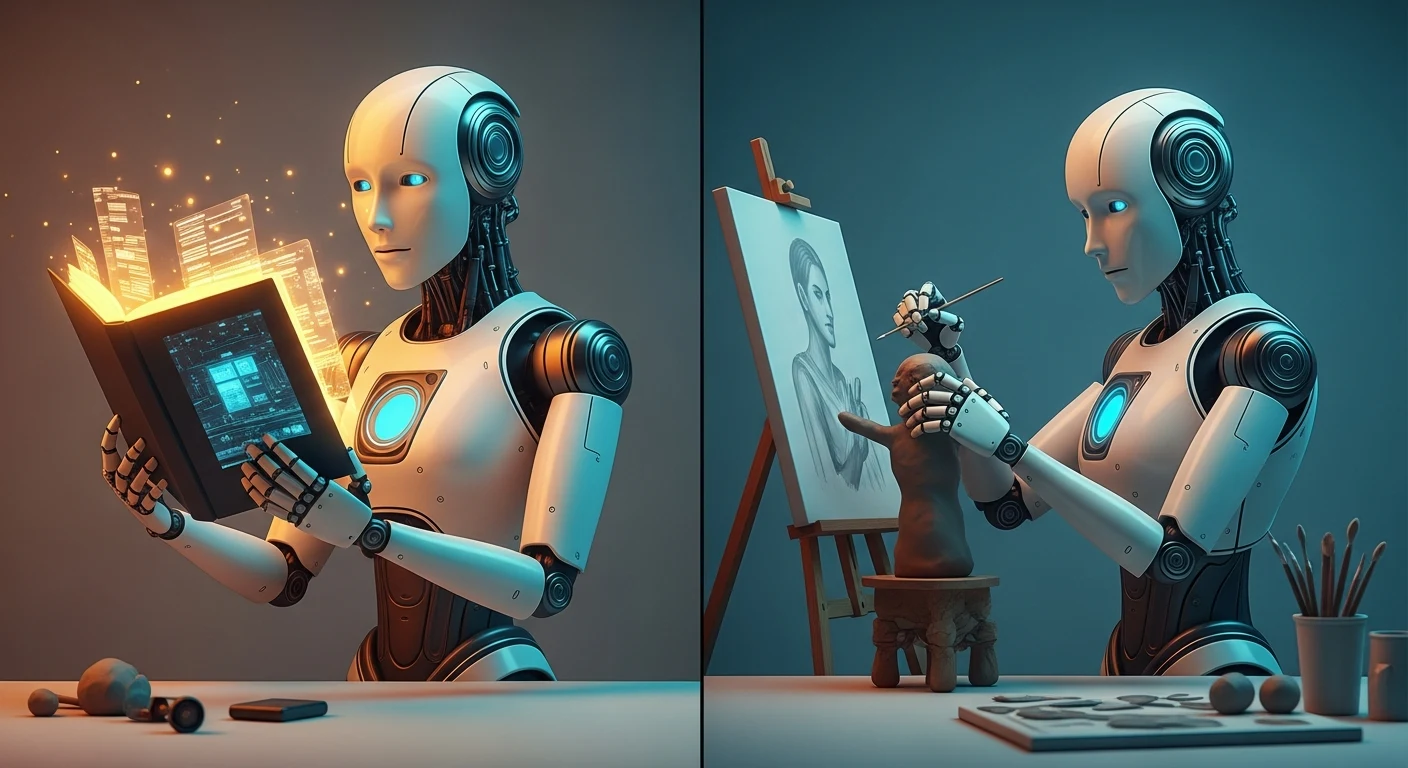
Think of a foundational large language model (LLM) like a master chef who has memorized every recipe in the world up until a specific date in 2023. This chef is undeniably brilliant. However, if you drop them into your specific restaurant kitchen today, they won't know what ingredients are currently in your fridge, nor will they automatically know how to plate dishes in your restaurant's unique, signature style.
To make this generalist chef a useful specialist for your business, you need to bring them up to speed. In the world of artificial intelligence, developers use two primary techniques to achieve this: Retrieval-Augmented Generation (RAG) and Fine-Tuning. For a long time, industry chatter framed these two as competing solutions. But as the dust settles on the AI boom, it has become clear that they solve fundamentally different problems.
RAG is the equivalent of handing the chef your daily inventory list and a recipe book right before they start cooking. Instead of forcing the AI to rely solely on the information it memorized during its initial training, RAG connects the model to an external database. When a user asks a question, the system first searches this database for relevant documents, retrieves them, and feeds them to the AI to help it formulate an answer.
This approach is incredibly powerful for dynamic, factual knowledge. If you are building an AI assistant for a law firm that needs to reference cases from last week, or a customer support bot that needs to check a user's live flight status, RAG is the answer. It is relatively inexpensive, easy to update (you just update the database, not the model), and drastically reduces "hallucinations"—instances where the AI confidently makes things up.
Fine-Tuning, on the other hand, is like sending that master chef to a rigorous culinary bootcamp to learn a completely new technique, such as molecular gastronomy. You aren't just giving them a book to read; you are fundamentally altering their muscle memory. In AI terms, fine-tuning involves taking a pre-trained model and training it further on a specific dataset of examples, which actually adjusts the model's internal weights.
You use fine-tuning when you want to change how the AI behaves, not what facts it knows. For example, if you want your AI to consistently output responses in a strict, complex programming format, or if you want it to adopt the specific, empathetic tone of a pediatric nurse, fine-tuning is required. It teaches the model style, nuance, and structure.
The debate over "RAG vs Fine-Tuning" is ultimately a false dichotomy. You wouldn't use fine-tuning to teach an AI today's stock prices—it would be too slow and expensive. Conversely, you wouldn't use RAG to teach an AI how to speak fluent Klingon—providing a dictionary in the prompt isn't enough to capture the deep nuances of the language. The most sophisticated AI applications today don't choose between the two; they combine them, using fine-tuning to shape the model's behavior and RAG to supply it with the facts.
Key Points
- RAG provides AI with an external memory bank, allowing it to look up current facts before answering.
- Fine-tuning alters the AI's internal mechanics to change its style, tone, or output format.
- RAG is best for dynamic information and reducing AI hallucinations.
- Fine-tuning is best for teaching the AI specific behaviors or specialized jargon.
- The two techniques are complementary; advanced AI tools frequently utilize both.
Why It Matters
Knowing whether to use RAG or Fine-Tuning prevents companies from wasting time and money on the wrong technical approach when customizing AI for their specific needs.
Sources:
- RAG vs Fine-Tuning Explained: What They Actually Do and When to Use Each — Towards Data Science - AI
更多专栏

Taking the Wheel: How Facebook Wants You to Train Its Algorithm
Imagine being at a party where the DJ is locked in a soundproof booth. They watc...

The AI Detective: How OpenAI Caught an Insider Threat
Corporate espionage usually conjures images of hidden cameras, shadowy informant...

Your App Store is Becoming a Personal AI Concierge
For over a decade, app stores have functioned like massive, somewhat rigid digit...