From Jungle Drones to Cyber Arms Races: The Physical Footprint of AI
When we think of artificial intelligence, we usually picture sleek chat interfaces or abstract lines of code. But in the forests of India, AI takes a much more...
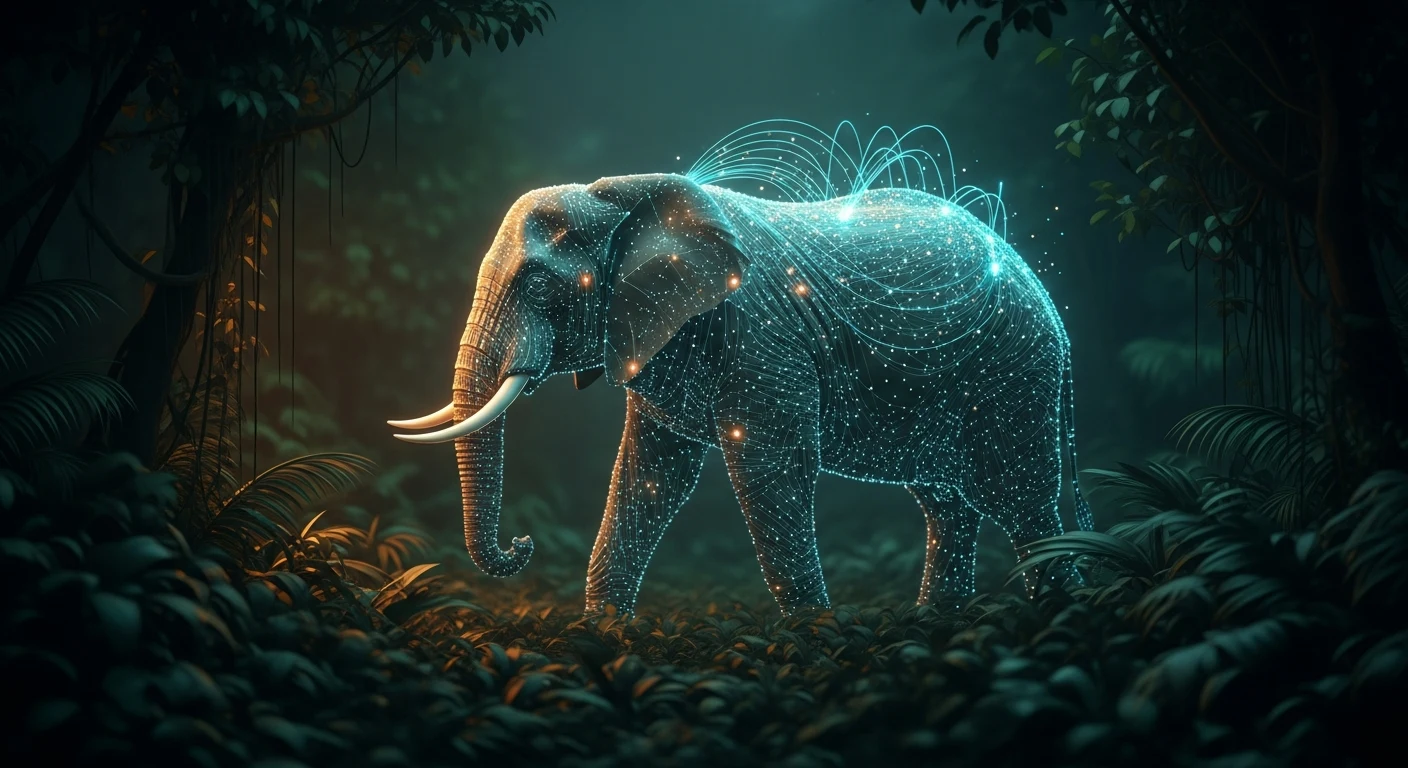
When we think of artificial intelligence, we usually picture sleek chat interfaces or abstract lines of code. But in the forests of India, AI takes a much more tangible form: an infrared drone hovering in the night sky, scanning the canopy for a wandering herd of elephants.
India is home to roughly 60% of the world’s wild Asian elephants, yet 80% of their habitat lies outside officially protected zones. This proximity has led to devastating human-elephant conflicts, resulting in around 3,000 human casualties over the past five years and over 1,000 elephant deaths since 2014. To prevent these fatal encounters, local organizations and forest departments are deploying AI-powered warning systems. Technologies like "wildlife eyes" in Maharashtra and thermal drones in Chhattisgarh analyze movement in real-time, slashing warning times down to mere seconds and allowing both humans and elephants to steer clear of danger.
While AI acts as a guardian in the physical wilderness, a different kind of high-stakes navigation is happening in the digital realm. The cybersecurity landscape is rapidly shifting as AI models become increasingly capable of identifying software vulnerabilities. Recently, the US government permitted Anthropic to release its advanced "Mythos 5" model—previously restricted due to national security concerns—to a select group of about 100 trusted organizations. However, the global AI race waits for no one. Security researchers have noted that China's Zhipu AI has already matched Mythos in its ability to hunt down security bugs. The ability to automate the discovery of system exploits could fundamentally alter how nations approach digital defense, signaling a major shift in the balance of global cyber capabilities.
Yet, the rapid expansion of these intelligent systems is colliding with hard physical limits. The immense computational power required to run advanced models is creating unprecedented bottlenecks. Google, for instance, recently had to cap Meta’s use of its Gemini AI models because it simply couldn't provide the massive compute Meta demanded, causing delays in several of Meta's internal projects. Furthermore, the very data centers that power these AI breakthroughs are increasingly vulnerable to the natural world. Extreme heat waves now stand as a leading cause of infrastructure loss, putting already hot servers under immense pressure.
Ultimately, the narrative of AI is no longer just about software. Whether it is protecting endangered wildlife, reshaping international cybersecurity, or straining against the limits of global power grids, AI has become a profoundly physical force in our world.
Key Points
- AI-powered infrared drones and cameras in India are cutting warning times for human-elephant encounters down to seconds, saving lives.
- The AI cybersecurity race is intensifying, with models like Anthropic's Mythos 5 and China's Zhipu AI matching capabilities in finding software bugs.
- Physical constraints, including compute shortages (affecting Meta's use of Google's Gemini) and extreme heat waves, are challenging AI infrastructure.
Why It Matters
AI is evolving from a cloud-based tool into a physical actor that actively manages ecological crises, reshapes national security, and tests the limits of our global energy and hardware infrastructure.
Sources:
- The Download: metric weaknesses and AI elephant warnings — MIT Technology Review - AI
更多专栏

Taking the Wheel: How Facebook Wants You to Train Its Algorithm
Imagine being at a party where the DJ is locked in a soundproof booth. They watc...

The AI Detective: How OpenAI Caught an Insider Threat
Corporate espionage usually conjures images of hidden cameras, shadowy informant...

Your App Store is Becoming a Personal AI Concierge
For over a decade, app stores have functioned like massive, somewhat rigid digit...