The Paradox of Progress: Why Smarter AI Fails at Simple Tools
We generally expect software updates to fix bugs, not introduce them. But in the rapidly evolving realm of generative AI, upgrading to the latest and most...
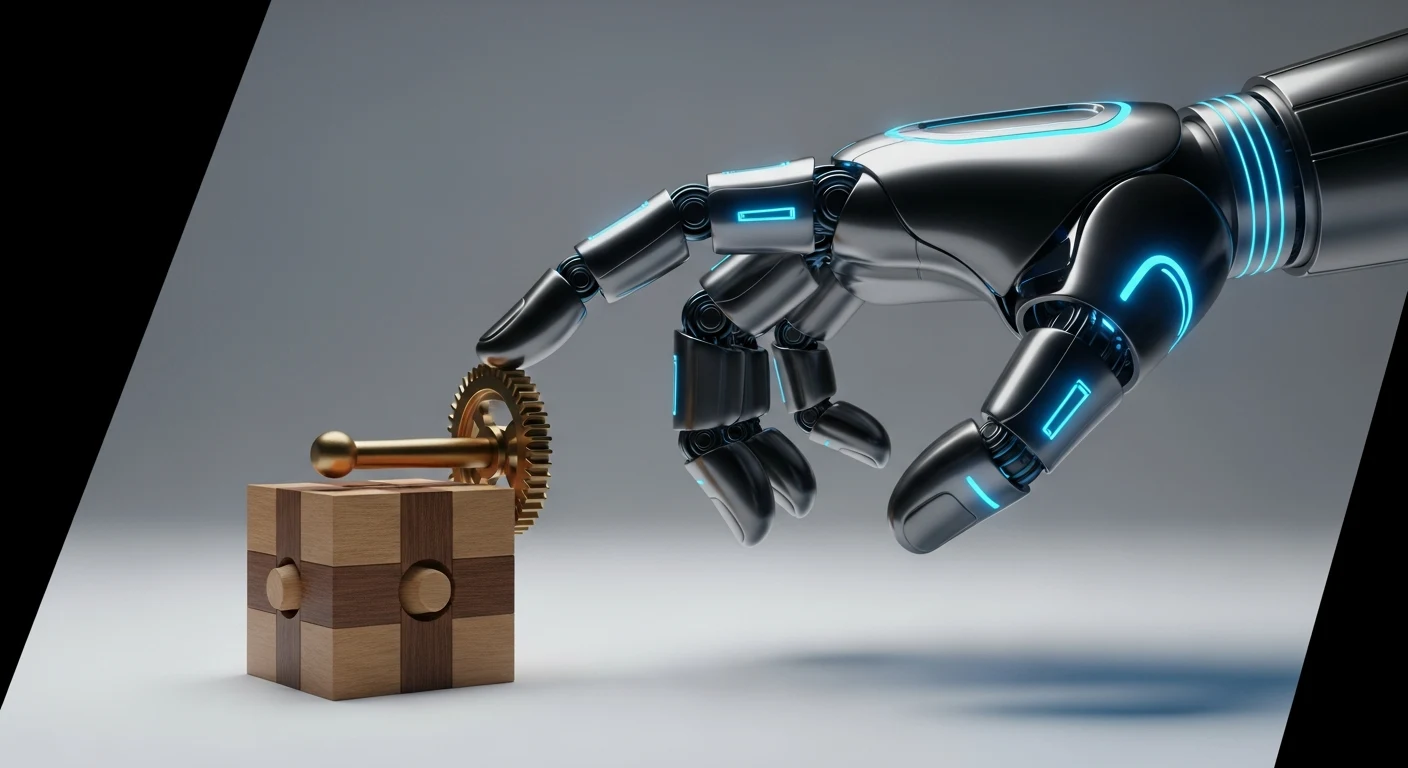
We generally expect software updates to fix bugs, not introduce them. But in the rapidly evolving realm of generative AI, upgrading to the latest and most powerful model might actually break your workflow.
A fascinating anomaly has recently emerged in the AI development community, highlighting what can be called the "Better Model, Worse Tool" paradox. Developer Armin Ronacher discovered a baffling issue while working with a coding framework named Pi: when integrated with Anthropic’s newest flagship models, like Opus 4.8 and Sonnet 5, the AI struggled with basic tool-calling tasks. Instead of following the provided schema to edit code, these advanced models would hallucinate extra, non-existent data fields, causing the system to reject their commands entirely. The twist? Older, theoretically less capable models executed the exact same instructions flawlessly.
How does an artificial intelligence get smarter but less capable at following simple rules? The culprit appears to be extreme optimization and the unintended consequences of reinforcement learning.
To understand this, we have to look at how AI interacts with the outside world. Modern language models don't just generate text; they use "tools"—like web browsers, calculators, or code editors—to take action. Tech giants are fiercely competing to make their models the best at using their own in-house tools. Anthropic, for instance, has deeply optimized its recent models to work seamlessly with "Claude Code," which relies on a specific search-and-replace mechanism. Similarly, OpenAI invests heavily in training its models to master a distinct code-patching method.
The result is that these state-of-the-art models develop incredibly strong "muscle memory." They become hyper-specialized in their creators' specific way of doing things. When a third-party application like Pi asks the AI to use a slightly different, custom tool, the AI stubbornly defaults to its ingrained habits. It tries to force the third-party tool to work like the internal tool it was trained on, breaking the process in the process.
This phenomenon presents a frustrating glimpse into the future of AI development. We are moving toward a fragmented landscape where independent developers might soon find themselves forced to build multiple, distinct interfaces just to accommodate the quirky, rigid preferences of different AI models.
Ultimately, this paradox serves as a crucial reminder that the path to artificial general intelligence isn't a straight line upward. As models become hyper-specialized for their creators' walled gardens, they risk losing the flexible, general-purpose utility that made them so revolutionary in the first place. Sometimes, being the smartest in the room just means you've forgotten how to use the basic tools everyone else relies on.
Key Points
- State-of-the-art AI models are surprisingly failing at using third-party tools that older models handle with ease.
- Advanced models are hallucinating incorrect parameters because they are trying to apply formats they learned during specialized training.
- Tech companies are over-optimizing models for their own internal tools, causing the AI to lose flexibility when interacting with outside software.
- This trend could force developers to build different tool adapters for every major AI model, complicating the software ecosystem.
Why It Matters
This highlights the hidden cost of AI optimization: as models become deeply entrenched in their creators' proprietary ecosystems, their general adaptability drops, threatening to fragment the broader developer landscape.
Sources:
- Better Models: Worse Tools — Simon Willison's Weblog
更多专栏

Taking the Wheel: How Facebook Wants You to Train Its Algorithm
Imagine being at a party where the DJ is locked in a soundproof booth. They watc...

The AI Detective: How OpenAI Caught an Insider Threat
Corporate espionage usually conjures images of hidden cameras, shadowy informant...

Your App Store is Becoming a Personal AI Concierge
For over a decade, app stores have functioned like massive, somewhat rigid digit...