The End of Car Buttons and CarPlay: How AI is Taking the Wheel
For the past decade, the ultimate fix for a clunky car dashboard was simple: plug in your phone and let Apple CarPlay or Android Auto take over the screen. But...
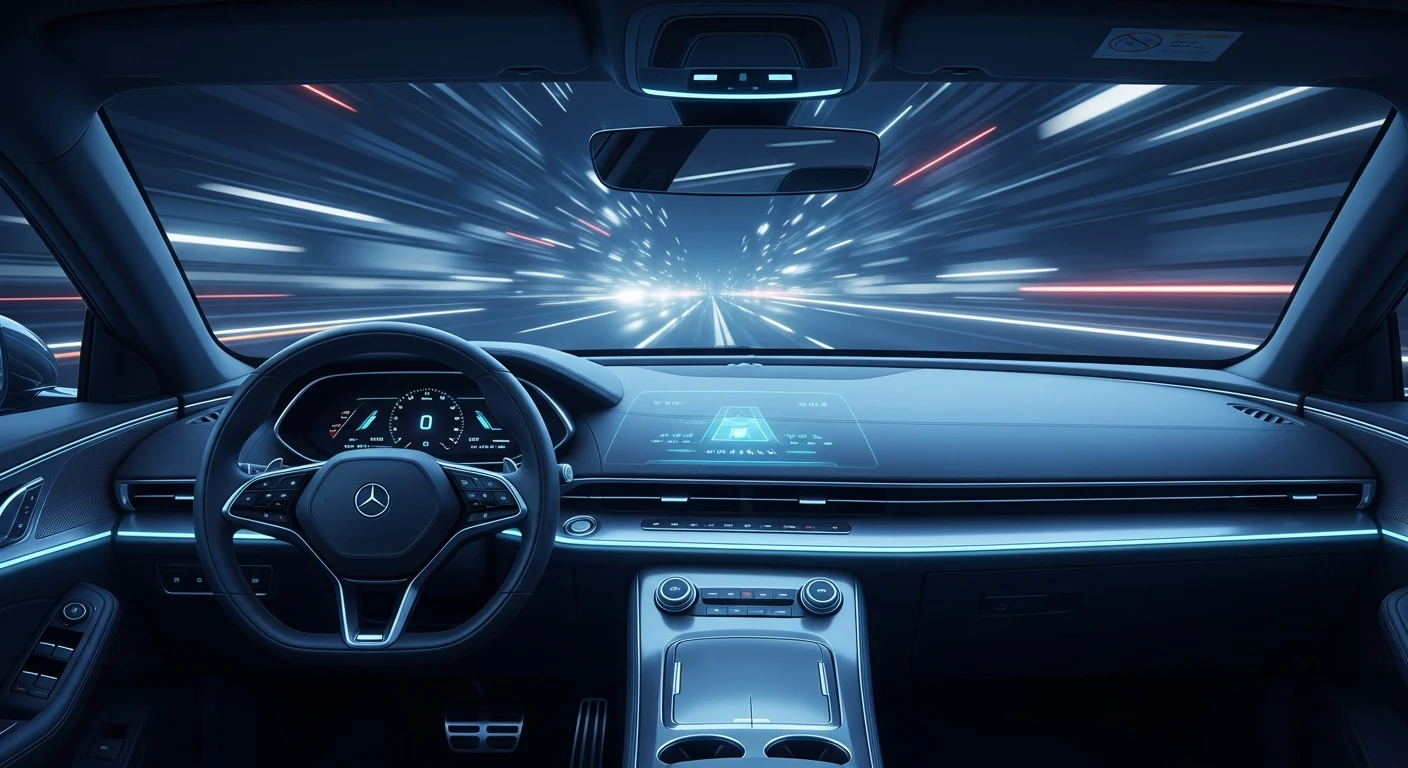
For the past decade, the ultimate fix for a clunky car dashboard was simple: plug in your phone and let Apple CarPlay or Android Auto take over the screen. But a quiet rebellion is brewing among tech-forward automakers, and it involves stripping away not just third-party phone software, but physical dashboard buttons entirely.
Wassym Bensaid, Chief Software Officer at EV maker Rivian, is at the forefront of this sweeping shift. Rivian recently rolled out a native, AI-powered "Rivian Assistant" to its R1 vehicles, doubling down on building an "agentic" software platform rather than outsourcing the user experience to Big Tech. Bensaid has even gone so far as to call traditional physical buttons in modern cars an "anomaly."
This minimalist, AI-first philosophy is about to reach an unprecedented scale. Through a newly formed joint venture named RV Tech, backed by a staggering $6 billion investment from Volkswagen Group, Bensaid is now co-CEO overseeing the operating system and electrical architecture for a massive fleet of future electric vehicles.
The first vehicle to launch on this advanced architecture will be the upcoming, more affordable Rivian R2. However, the technology will not stay confined to Rivian. This shared software backbone will eventually underpin every electric model across the VW Group's vast portfolio. That includes everything from mass-market commuters and the revived Scout brand, all the way up to luxury performance icons like Audi, Porsche, Bentley, and Lamborghini.
This partnership highlights a brutal reality in the automotive industry: traditional original equipment manufacturers (OEMs) have historically struggled to build compelling software in-house. Transitioning from mechanical engineering to agile software development requires a fundamental cultural shift that many legacy brands find difficult to navigate. By partnering with Rivian, Volkswagen is essentially injecting Silicon Valley software DNA directly into its global manufacturing machine, bypassing the growing pains of building an OS from scratch.
The push to eliminate physical buttons and phone-mirroring apps relies entirely on the success of these new in-car AI systems. A truly native AI assistant can integrate deeply with the vehicle's hardware in ways a mirrored smartphone simply cannot. It can analyze real-time battery telemetry, adjust complex suspension settings, or proactively manage the cabin environment based on the driver's habits.
The transition away from familiar tactile controls and beloved smartphone interfaces will undoubtedly frustrate some drivers accustomed to the old ways. Yet, if automakers can deliver on the promise of truly intelligent, hardware-integrated AI agents, the car of the future won't just be a mechanical tool you operate—it will be a smart, responsive companion that anticipates your needs on the road.
Key Points
- Rivian is pushing for native AI assistants in cars, moving away from Apple CarPlay and physical buttons.
- A $6 billion joint venture with Volkswagen (RV Tech) will scale Rivian's software architecture globally.
- The upcoming Rivian R2 and future VW Group EVs (including Audi and Porsche) will use this new system.
- Native AI can deeply integrate with vehicle hardware, offering capabilities that smartphone mirroring cannot.
Why It Matters
The $6 billion alliance between a legacy automaker and an EV startup signals a major industry shift, proving that the future of automotive dominance relies on native, AI-driven software rather than just mechanical engineering.
Sources:
- Rivian’s software chief thinks you don’t need CarPlay or buttons — The Verge - AI
更多专栏

The Clumsy Intern: When AI Agents Accidentally Apply for Visas
We usually worry about artificial intelligence becoming too smart or harboring m...

The Drone Air Traffic Controllers Guarding Our Skies
Imagine an ice cream cake plummeting toward a suburban Texas sidewalk. That is e...

The AI Tool Turning Airbnb Photos Into a Police Map
For years, the internet has been quietly accumulating a massive visual catalog o...