The Era of the Homogenized AI Flyer
Next time you take a stroll past your local community bulletin board or scroll through your neighborhood's social media feed, try playing a quick game of...
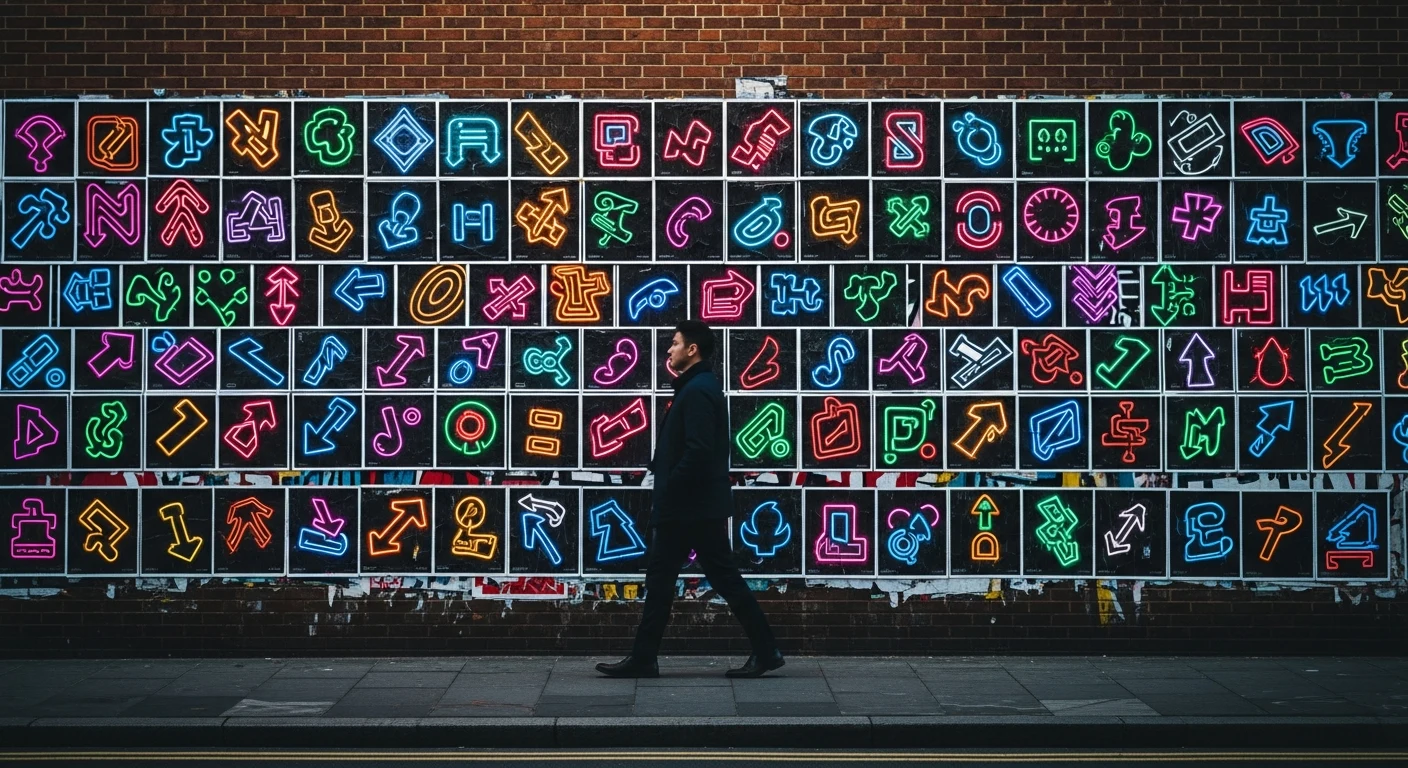
Next time you take a stroll past your local community bulletin board or scroll through your neighborhood's social media feed, try playing a quick game of spot-the-AI. Chances are, you won't have to look very hard. A bizarre visual trend is quietly taking over our physical and digital public spaces, and once you notice its distinct aesthetic, you will never be able to unsee it.
Welcome to what internet culture has recently dubbed the "ChatGPT flyer pandemic." Across the globe, local advertisements and event posters have been infected by a highly specific, slightly chaotic look. Whether it's a flyer for surf lessons in Venice Beach, a skateboard shop's closeout sale, a junk hauling service in South Carolina, or a World Cup party in France, the visual fingerprints of generative AI are unmistakable.
These flyers are not the breathtaking, hyper-realistic AI art that wins competitions. Instead, they are purely utilitarian and incredibly formulaic. They typically feature bright, flashy text plastered over dark backgrounds. There is almost always a bulleted list accompanied by weirdly literal, generic icons. To top it off, the layouts are haphazardly strewn with unnecessary arrows, checkmarks, and underlined words, as if the AI is desperately trying to grab your attention from every angle.
On the surface, this represents a massive democratization of graphic design. Anyone with a business idea or a weekend barbecue to promote can now generate a promotional asset in seconds, completely free of charge. The friction of creation has been entirely removed. But the sheer volume of these stylistically indistinguishable posters is sparking a cultural backlash, particularly among creative professionals, musicians, and independent business owners.
In human communication, effort is a signal. When we see a thoughtfully designed poster, we subconsciously register that the organizer cares about their event. The homogenized AI flyer sends the exact opposite message. The sentiment of this growing fatigue was perfectly captured by a viral parody poster created by a frustrated user, which bluntly stated: "If this is your flyer, I'm not going, I'm not donating, I'm not sharing."
This phenomenon highlights a fascinating shift in how we perceive value in an AI-saturated world. When the ability to create something flashy requires absolutely zero effort, the resulting abundance quickly turns into visual noise. We are learning that while an algorithm can effortlessly assemble information into a colorful rectangle, it cannot synthesize genuine intentionality. In a world flooded with instant, generic graphics, showing your audience that you actually cared enough to try is becoming the ultimate competitive advantage.
Key Points
- A wave of AI-generated flyers is flooding both physical neighborhoods and digital feeds globally.
- These posters share a distinct, chaotic aesthetic involving dark backgrounds, generic icons, and random arrows.
- While AI democratizes design for small businesses, the lack of human effort is causing audience fatigue.
- A cultural backlash is growing, with people associating these generic designs with low-quality events or services.
Why It Matters
As generative AI removes the friction of content creation, human effort and intentional design are shifting from standard expectations to premium indicators of quality and care.
Sources:
- We Are Living in a ‘ChatGPT Flyer Pandemic’ — 404 Media
更多专栏

Taking the Wheel: How Facebook Wants You to Train Its Algorithm
Imagine being at a party where the DJ is locked in a soundproof booth. They watc...

The AI Detective: How OpenAI Caught an Insider Threat
Corporate espionage usually conjures images of hidden cameras, shadowy informant...

Your App Store is Becoming a Personal AI Concierge
For over a decade, app stores have functioned like massive, somewhat rigid digit...