The Anti-Climax of Musk v. Altman
When two of the most powerful figures in the tech world clash in federal court, you expect a fiery resolution that reshapes the industry. Instead, the highly...
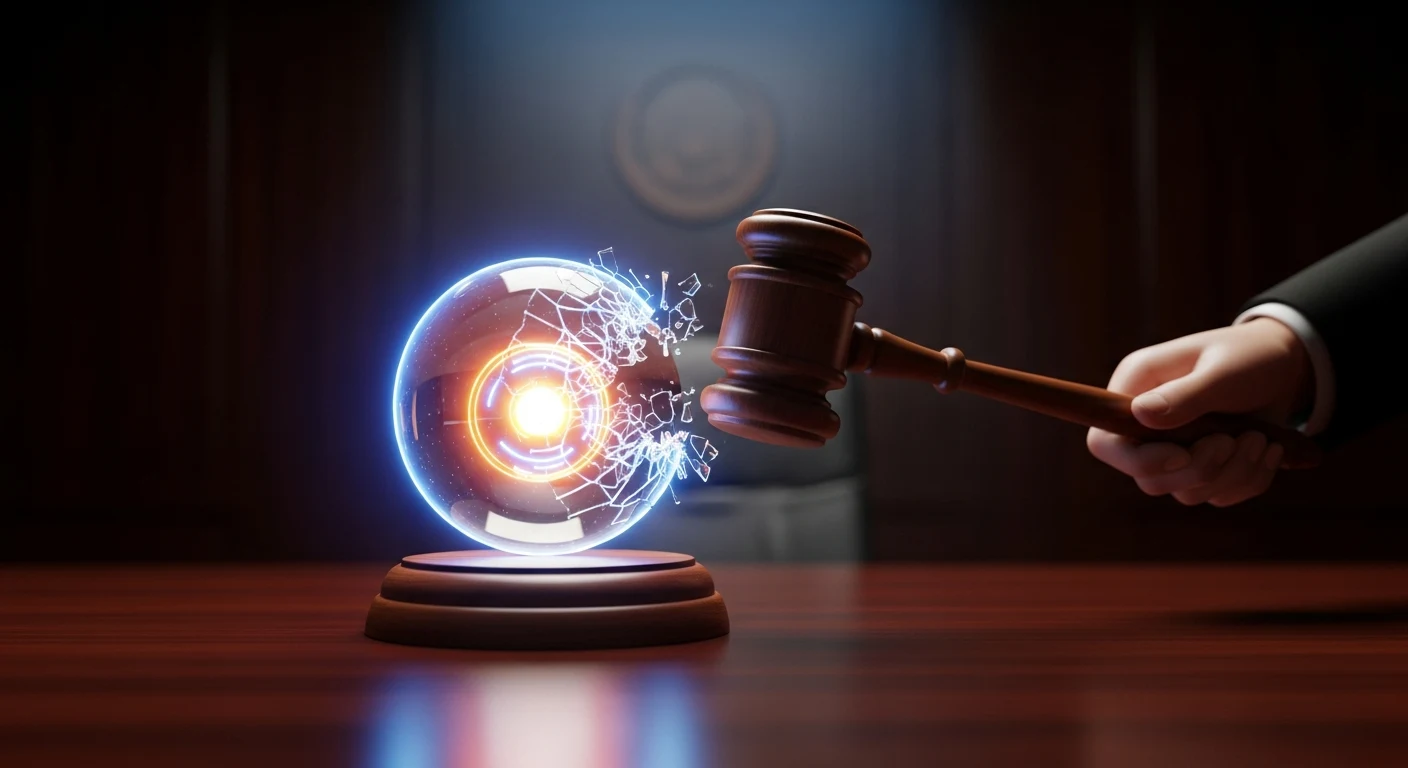
When two of the most powerful figures in the tech world clash in federal court, you expect a fiery resolution that reshapes the industry. Instead, the highly anticipated legal battle between Elon Musk and Sam Altman ended with a whimper. A jury dismissed the case not with a landmark ruling on the future of artificial intelligence, but on a mundane technicality: the statute of limitations had simply run out.
On paper, Musk’s lawsuit was a crusade for corporate accountability. He argued that OpenAI’s lucrative transition from a non-profit research lab to a capped-profit juggernaut violated the charitable trust established when he initially funded the organization. He even dragged Microsoft into the fray, accusing the tech giant of aiding and abetting this shift, particularly around the chaotic period when Altman was briefly ousted and quickly reinstated.
But inside the courtroom, a different narrative emerged. The proceedings, described by reporters as a "zoo" complete with illicit recordings, scolded spectators, and protesters circling the courthouse in Cybertrucks, felt less like a defense of charitable principles and more like a public airing of personal grievances. Observers noted that the underlying motivation seemed to be Musk’s desire to punish Altman for steering OpenAI to astronomical success without him.
While the legal verdict was essentially "much ado about nothing," the trial was a public relations disaster that left virtually no one unscathed. During jury selection, the judge had to explicitly ask jurors to remain impartial despite Musk's widespread unpopularity. Altman’s own reputation as a trustworthy leader was repeatedly battered by Musk’s legal team.
Perhaps the most surprising collateral damage was inflicted on Mira Murati, OpenAI’s former Chief Technology Officer. Previously viewed as a stabilizing force, Murati’s image was complicated by testimonies from former board members. The court heard that she was instrumental in the initial push to fire Altman, only to immediately text him sympathetic messages once the deed was done.
Ultimately, the Musk v. Altman trial didn't alter the trajectory of AI development or force OpenAI to change its business model. However, it provided the public with a stark, unvarnished look at the people building our future. It stripped away the lofty rhetoric of "benefiting all of humanity," revealing an industry driven as much by bruised egos, frantic texting, and boardroom betrayals as it is by algorithmic breakthroughs. For anyone watching the rapid ascent of AI, it serves as a reminder that the technology might be artificial, but the drama behind it is deeply, messily human.
Key Points
- Elon Musk's lawsuit against Sam Altman was dismissed by a jury because the statute of limitations expired.
- While ostensibly about OpenAI's shift to a for-profit model, the trial appeared driven by Musk's personal grievances over OpenAI's success.
- The chaotic trial damaged the reputations of several key figures, notably revealing Mira Murati's contradictory role in Altman's brief ouster.
Why It Matters
The trial shattered the altruistic facade of the AI industry, proving that the future of technology is currently being shaped by leaders entangled in deep personal and professional rivalries.
Sources:
- Musk v. Altman: Much ado about nothing — The Verge - AI
更多专栏

The Clumsy Intern: When AI Agents Accidentally Apply for Visas
We usually worry about artificial intelligence becoming too smart or harboring m...

The Drone Air Traffic Controllers Guarding Our Skies
Imagine an ice cream cake plummeting toward a suburban Texas sidewalk. That is e...

The AI Tool Turning Airbnb Photos Into a Police Map
For years, the internet has been quietly accumulating a massive visual catalog o...