Invisible Ears in the ER: AI Listening, Your Privacy at Stake?
Imagine being in the vulnerable setting of an emergency room, discussing your health concerns with a nurse, only to have every word recorded by an unseen...
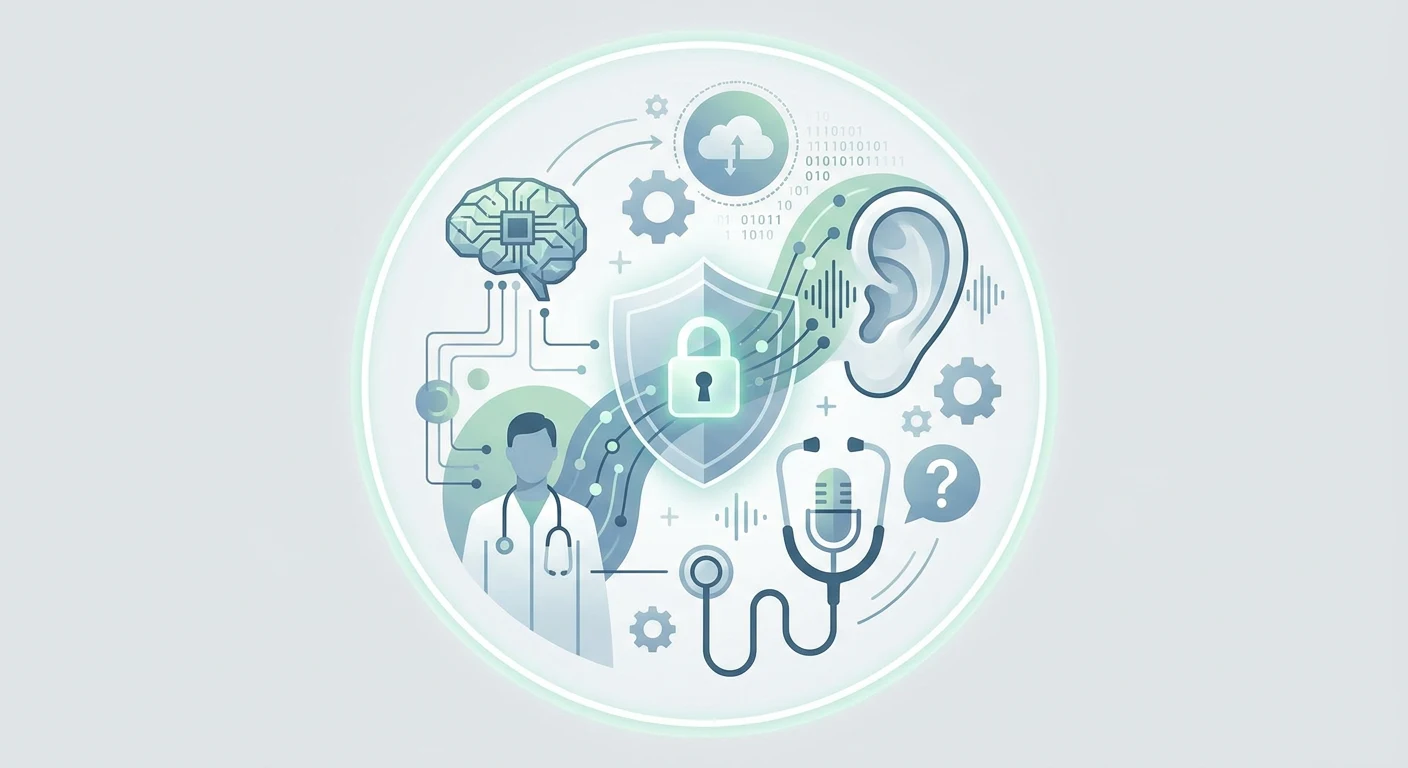
Imagine being in the vulnerable setting of an emergency room, discussing your health concerns with a nurse, only to have every word recorded by an unseen artificial intelligence. This isn't a futuristic concept; it's a current reality. A prominent American hospital network is deploying what it calls "Ambient Listening" AI technology in various clinical settings, including emergency rooms, to record and process patient-nurse interactions.
The stated goal of such technology is often to enhance efficiency, streamline documentation, or derive insights from conversational data. However, the method of deployment raises significant ethical questions. This system operates on an "opt-out" basis, meaning recordings occur by default unless a patient explicitly declines. This approach creates a substantial risk that many patients may be entirely unaware their private medical conversations are being captured and analyzed by AI.
Informed consent is a cornerstone of medical ethics, ensuring patients understand and agree to procedures affecting their care and privacy. The implicit nature of ambient listening could undermine this fundamental right, eroding trust in the very institutions designed to heal. Medical conversations are deeply personal and often contain highly sensitive information. Patients, already in a state of stress or vulnerability, expect a high degree of privacy in these moments.
Beyond privacy, the accuracy of AI-generated notes is another critical concern. Recent studies have highlighted that while AI-powered scribe tools can be helpful, their accuracy can vary significantly, sometimes falling short of human transcription, especially in complex or fast-paced environments like an ER. Inaccurate medical records could have serious implications, potentially leading to misdiagnoses or inappropriate treatment plans. As AI continues to integrate into healthcare, institutions must prioritize transparency, implement robust opt-in consent mechanisms, and rigorously validate the accuracy and security of these powerful tools. The promise of AI in medicine is vast, but it must never come at the expense of patient autonomy and trust.
Key Points
- A major US hospital uses 'Ambient Listening' AI to record patient-nurse interactions, including in ERs.
- The system is opt-out, meaning patients may be recorded without explicit awareness or consent.
- This practice raises significant concerns about patient privacy and informed consent in sensitive medical settings.
- The accuracy of AI-generated medical notes is also a concern, with studies showing potential for errors compared to human scribes.
Why It Matters
As AI expands into healthcare, technologies like 'Ambient Listening' challenge fundamental principles of patient privacy, informed consent, and data accuracy, demanding careful ethical consideration.
Sources:
更多专栏

The Cryptographer's Warning: AI and the Speed of Surprise
Imagine waking up to a digital world where secure communication is mathematicall...

The Skyward Shift: Meet the Drone Traffic Controllers
When we imagine the impact of artificial intelligence on the job market, the nar...

The End of the AI Black Box
Imagine buying a high-performance car with the hood welded shut. You can drive i...