The Next AI Data Center Might Be Your Garage
The artificial intelligence boom has a very physical problem: it is rapidly running out of space and electricity. As tech giants scour the globe for power...
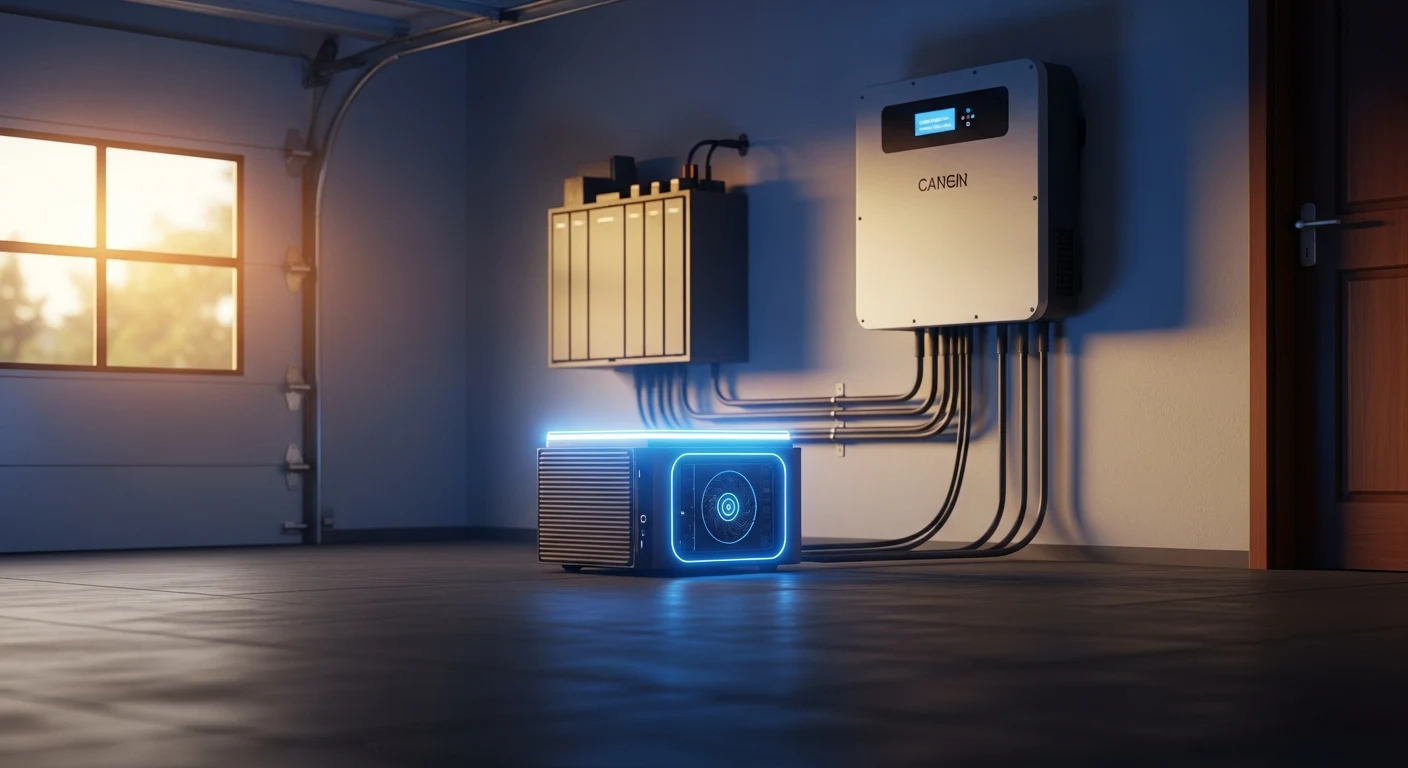
The artificial intelligence boom has a very physical problem: it is rapidly running out of space and electricity. As tech giants scour the globe for power grids capable of supporting massive, energy-hungry data centers, a US solar and home energy storage company is proposing a radically different blueprint. What if the next major AI data center isn't a massive warehouse, but thousands of suburban garages working in unison?
Sunrun recently announced a pilot program that flips the traditional AI infrastructure model on its head. Instead of building massive centralized facilities, the company plans to install "compute nodes" directly inside the homes of customers who are already equipped with Sunrun solar panels and battery storage systems.
The mechanics of this initiative are as straightforward as they are innovative. Homeowners agree to host these small AI computing units, which are powered directly by the clean energy generated on-site. In return for offering up their space and solar power, the residents receive financial compensation. Sunrun then acts as the middleman, aggregating this decentralized processing power and selling it to enterprise clients, such as AI startups and tech companies desperate for compute resources.
This "distributed AI compute" model offers a fascinating glimpse into how the physical footprint of technology might evolve. For years, cloud computing has been moving toward massive centralization. Sunrun’s approach suggests a swing back toward the "edge," effectively turning everyday homes into micro-infrastructure hubs. It creates a sort of gig economy for computing power, marrying renewable residential energy with the high-octane demands of machine learning. Furthermore, by utilizing solar power at the source, this model bypasses the transmission losses associated with pulling electricity from the broader grid, offering a greener footprint for AI operations.
Naturally, a decentralized network of home computers cannot entirely replace the massive, highly synchronized GPU clusters required to train cutting-edge foundation models. Issues like internet latency, hardware maintenance, and data security in residential environments pose significant hurdles. However, for inference tasks—running AI models rather than training them—or handling smaller-scale computations, this model could be highly effective.
Ultimately, the initiative highlights a critical shift in how we might support the next generation of technology. As AI becomes increasingly woven into our daily lives, the physical machinery powering it might soon be quietly humming right next to our washing machines.
Key Points
- Sunrun is piloting a program to install AI compute nodes in homes equipped with its solar and battery systems.
- Homeowners receive financial compensation for hosting these decentralized compute units.
- The aggregated compute power is then sold to enterprise AI companies facing resource shortages.
- This distributed model offers a greener, decentralized alternative to massive, energy-intensive data centers.
Why It Matters
This model offers a decentralized, greener alternative to traditional data centers, potentially turning everyday homeowners into active participants in the AI economy while addressing severe energy bottlenecks.
Sources:
- Would you host part of an AI data center in your home? — The Verge - AI
更多专栏

AI Engineers Microscopic Scissors to Slice Disease-Causing Proteins
The chemical bonds that hold proteins together are remarkably stubborn. Left in ...

The Blank Text Box That Enabled AI Surveillance
When we think of artificial intelligence and privacy, our minds often jump to fa...

Who Inherits Your Secrets When an AI Company Goes Bankrupt?
When a beloved neighborhood bakery closes, they might sell their ovens, display ...