Google's New AI Image Generator Trades Perfection for Blistering Speed
There is an old adage in design and engineering: "Good, fast, cheap. Pick two." For a long time, AI image generators have been strictly bound by this exact...
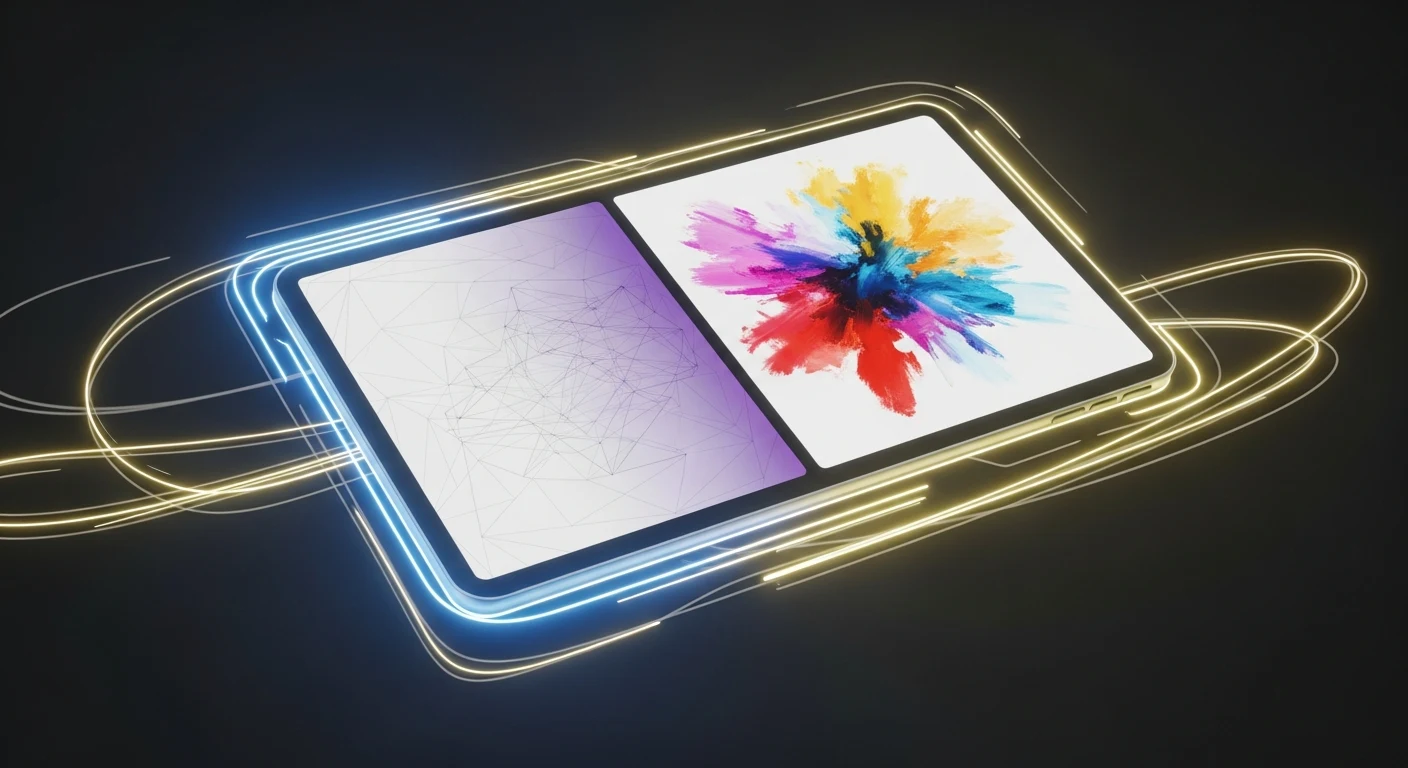
There is an old adage in design and engineering: "Good, fast, cheap. Pick two." For a long time, AI image generators have been strictly bound by this exact rule. If you wanted photorealistic, highly detailed outputs, you had to pay a premium and wait patiently while massive servers churned through the data. If you needed something instantly, you often had to settle for a blurry, incoherent mess.
Google DeepMind’s latest release, playfully dubbed "Nano Banana 2 Lite" (officially integrated into the Gemini 3.1 family as Flash Lite Image), is an aggressive attempt to break that triangle. Available now across the Google ecosystem, the model is designed to find the absolute sweet spot between quality, speed, and affordability.
What makes this release interesting isn't that it pushes the boundaries of high-end digital art, but rather how it redefines the everyday utility of AI. Google is positioning Nano Banana 2 Lite as the ultimate tool for "rapid-fire" prototyping. When designers, marketers, or writers are in the early stages of a project, they rarely need one flawless masterpiece. Instead, they need twenty quick visual concepts to see what sticks. By generating images in a fraction of the time required by Google’s heavier models, Nano Banana 2 Lite acts less like a commissioned artist and more like a high-speed, brainstorming sketchpad.
Surprisingly, human evaluators seem to love the results. According to blind-test Elo scores from Arena.ai, users rate the outputs of this lightweight model almost as highly as its heavier, non-Lite counterparts. It nails the overall aesthetic and "vibe" beautifully.
However, a closer look reveals exactly where the corners were cut to achieve that blazing speed. The model struggles significantly with fine, logical details. If you ask it to render small text or generate an infographic, it will likely spit out gibberish or wildly incorrect data. It also has a hard time remembering what people look like; maintaining character consistency across multiple generated images remains a notable weak point.
Despite these flaws, the model represents a crucial shift in AI development. This mirrors a broader industry trend where tech giants are realizing that efficiency is just as important as raw capability. The race isn't just about building the biggest, most computationally expensive neural networks anymore. It's about making AI practical, frictionless, and fast enough to keep up with the speed of human thought.
Key Points
- Google launched Nano Banana 2 Lite (Gemini 3.1 Flash Lite Image), prioritizing generation speed and cost-efficiency.
- The model performs exceptionally well in user preference tests, scoring similarly to heavier, slower models.
- It is specifically designed for rapid prototyping and brainstorming rather than final, high-fidelity artwork.
- Trade-offs include poor handling of small text, inaccurate infographics, and weak character consistency across generations.
Why It Matters
The push for smaller, faster AI models democratizes creative tools, allowing users to iterate ideas instantly without the high computing costs associated with flagship models.
Sources:
更多专栏

Taking the Wheel: How Facebook Wants You to Train Its Algorithm
Imagine being at a party where the DJ is locked in a soundproof booth. They watc...

The AI Detective: How OpenAI Caught an Insider Threat
Corporate espionage usually conjures images of hidden cameras, shadowy informant...

Your App Store is Becoming a Personal AI Concierge
For over a decade, app stores have functioned like massive, somewhat rigid digit...