Outsourcing Intellect: The AI Cheating Crisis Hitting Elite Colleges
Ivy League students are not lacking in intelligence. They have the cognitive capacity to learn complex material and pass rigorous exams without any digital...
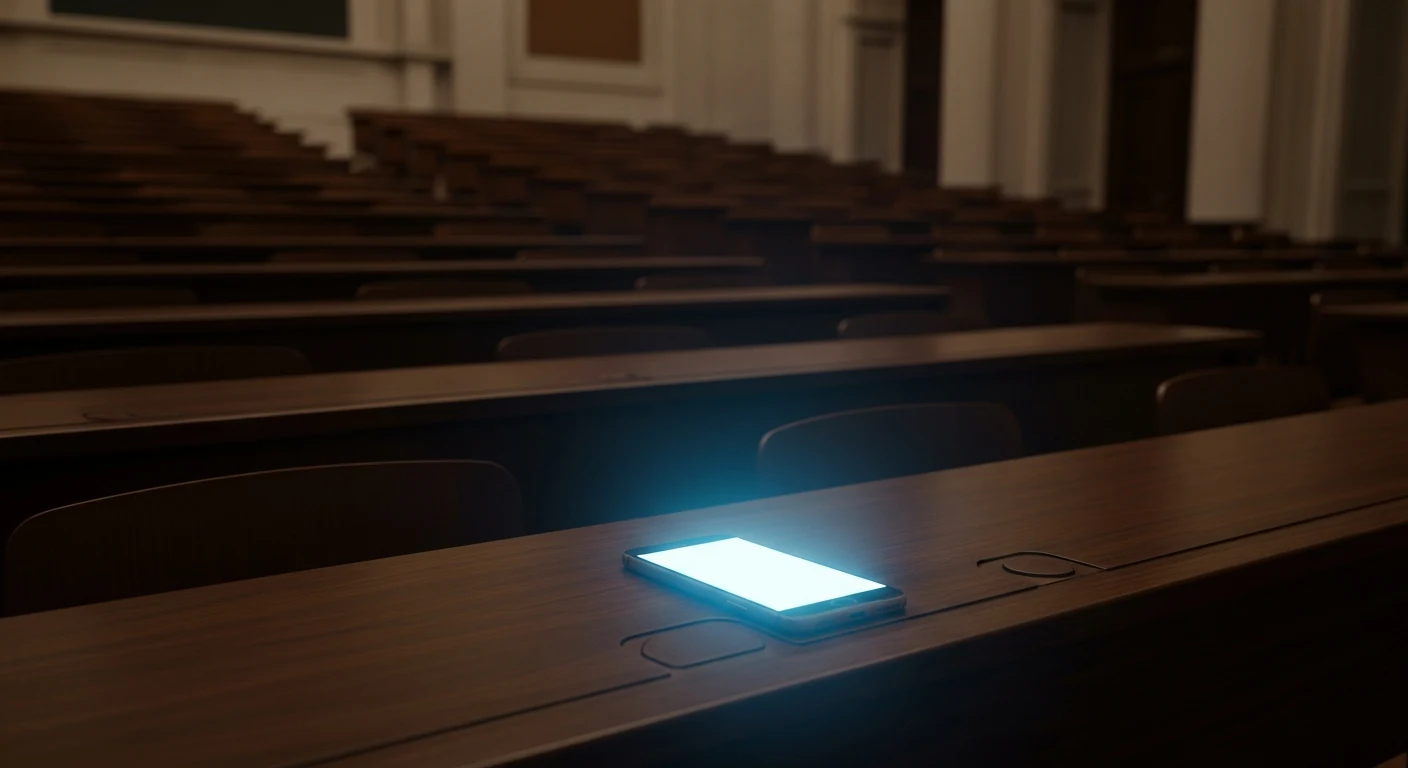
Ivy League students are not lacking in intelligence. They have the cognitive capacity to learn complex material and pass rigorous exams without any digital assistance. Yet, a growing number of them are choosing to outsource their academic efforts to generative AI. It is a paradox that is increasingly defining modern higher education: students with immense potential are utilizing chatbots not to learn better, but to bypass the learning process altogether.
The root of this phenomenon isn't a lack of comprehension, but a relentless lack of time. In hyper-competitive academic environments where students juggle intense ambitions, networking events, and overpacked schedules, AI has emerged as the ultimate time-saving shortcut. A recent survey from Princeton University puts a concrete number to this silent shift: 29.9 percent of students admitted to using AI to cheat on at least one assignment or exam. When the pressure mounts, the temptation to let an algorithm handle a time-consuming essay becomes overwhelming.
But statistics only tell half the story. The tangible reality of this academic shift is currently playing out at Brown University, where a massive AI cheating scandal has forced the campus into a difficult reckoning. At the center of the controversy is Roberto Serrano, a blind economics professor who noticed unprecedented anomalies in student performance. Rather than sweeping the issue under the rug or accepting this as the "new normal," Serrano is actively confronting it, refusing to let the academic integrity of his classroom erode.
The Brown scandal highlights a crucial philosophical dilemma. When a chatbot can produce a passing grade in seconds, the traditional metrics of student evaluation begin to break down. Students are treating AI as a surrogate thinker, freeing up their schedules for activities that a machine cannot perform. However, the quote defining this controversy—"We cannot choose to become idiots"—serves as a stark warning to both educators and students.
If higher education becomes merely an exercise in prompt engineering rather than critical thinking, the very purpose of a university is called into question. Education is fundamentally about the struggle of wrestling with new concepts, forming original thoughts, and building cognitive endurance. When students use AI to skip that struggle, they are forfeiting their own intellectual growth. The challenge moving forward isn't just about deploying better AI-detection software to catch cheaters; it is about fundamentally convincing the next generation that the arduous process of learning is still worth their time.
Key Points
- A Princeton survey reveals that nearly 30% of students admit to using AI to cheat on academic work.
- Brown University is grappling with a major AI cheating scandal, spearheaded by economics professor Roberto Serrano.
- Highly capable students are using AI as a shortcut to manage intense schedules and academic pressure.
- The trend raises concerns about cognitive decline and the devaluation of the actual learning process in higher education.
Why It Matters
The integration of AI into academia forces a reevaluation of what it means to learn. It highlights the urgent need to shift educational focus from final outputs to the cognitive process itself.
Sources:
更多专栏

Taking the Wheel: How Facebook Wants You to Train Its Algorithm
Imagine being at a party where the DJ is locked in a soundproof booth. They watc...

The AI Detective: How OpenAI Caught an Insider Threat
Corporate espionage usually conjures images of hidden cameras, shadowy informant...

Your App Store is Becoming a Personal AI Concierge
For over a decade, app stores have functioned like massive, somewhat rigid digit...