Multiplayer AI: How Meta’s Muse Image Turns Your Social Feed into a Canvas
For years, interacting with an AI image generator has been a solitary experience. You sit at your screen, type a prompt into a text box, and wait for the...
For years, interacting with an AI image generator has been a solitary experience. You sit at your screen, type a prompt into a text box, and wait for the machine to hand back a picture. It is a one-on-one conversation between human and algorithm. But what happens when that algorithmic process taps directly into your sprawling social network?
Meta is answering that question with the rollout of Muse Image, a new generation of AI models built by its Superintelligence Labs division. Now powering creative tools across Instagram, WhatsApp, and the dedicated Meta AI app, this new system is stepping in to replace the familiar Llama lineup for visual tasks. It represents a fundamental shift in how artificial intelligence operates within the ecosystem of social media.
What makes Muse Image mechanically distinct is its "agentic" nature. According to Alexandr Wang, who was brought on last year to lead Meta's Superintelligence Labs, the model doesn't just blindly translate words into pixels. Instead, it collaborates with a large language model called Muse Spark. When you ask it to create an image, the system pauses to reason through your request, searches the internet for necessary context, and plans the visual composition before rendering anything. It acts less like a simple paintbrush and more like an art director.
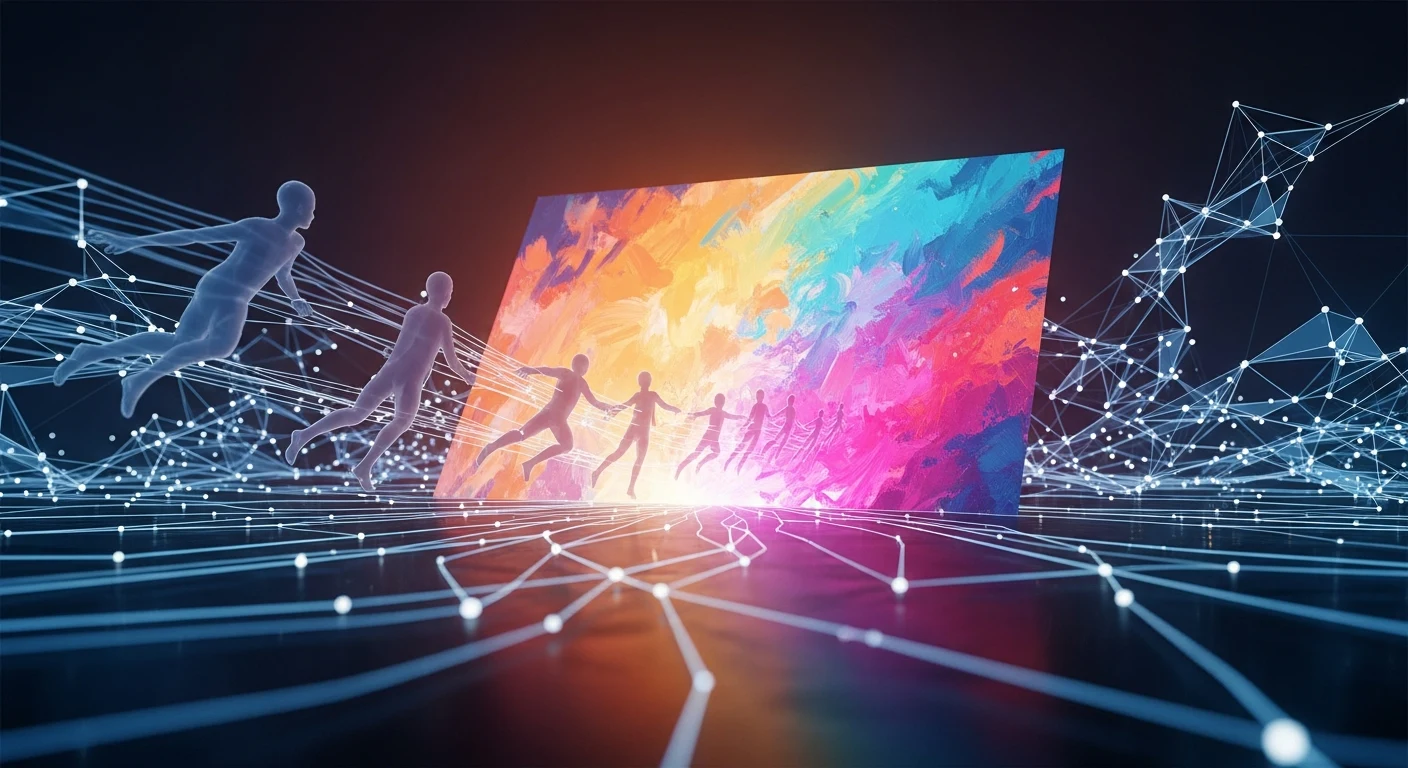
However, the most culturally significant feature of Muse Image has little to do with its backend reasoning. Meta has integrated the model directly with its social graph, allowing users to pull other Instagram accounts into their AI-generated photos. You can seamlessly insert a friend—or potentially anyone in your network—into a digital scenario they never actually participated in.
This transforms AI art from a solo experiment into a multiplayer social experience. Instead of just tagging a friend in a meme, you can now generate a photorealistic image of the two of you scaling Mount Everest or sitting in a futuristic cyberpunk cafe, all with a few keystrokes.
This deep integration of generative AI into our daily social feeds marks a significant evolution in online interaction. Yet, it simultaneously opens up a Pandora's box of complex questions regarding digital consent and identity. As users gain the unprecedented power to remix reality using their friends' likenesses, the line between harmless social fun and digital overreach becomes increasingly blurred. How platforms police this capability, ensuring that users retain control over where and how their faces appear, will be the next great frontier in AI ethics.
Key Points
- Meta's new Muse Image model, built by Superintelligence Labs, is replacing the Llama lineup for visual generation.
- The model uses 'agentic' workflows, teaming up with the Muse Spark LLM to reason, search the web, and plan before creating an image.
- Muse Image is deeply integrated into Meta's ecosystem, currently available on Instagram, WhatsApp, and the Meta AI app.
- Users can now pull other Instagram accounts into their AI-generated photos, turning image generation into a social feature.
- This capability raises new ethical questions regarding digital consent and the control of personal likeness online.
Why It Matters
By allowing users to insert real people from their social network into AI-generated scenes, Meta is transforming generative AI from a standalone tool into a core social mechanism, forcing us to redefine digital consent.
Sources:
更多专栏
Taking the Wheel: How Facebook Wants You to Train Its Algorithm
Imagine being at a party where the DJ is locked in a soundproof booth. They watc...
The AI Detective: How OpenAI Caught an Insider Threat
Corporate espionage usually conjures images of hidden cameras, shadowy informant...
Your App Store is Becoming a Personal AI Concierge
For over a decade, app stores have functioned like massive, somewhat rigid digit...