Building an Emergency Brake for AI
In the wake of the 2008 financial crisis, the world learned a harsh lesson: complex, opaque, and highly interconnected systems require rigorous, independent...
In the wake of the 2008 financial crisis, the world learned a harsh lesson: complex, opaque, and highly interconnected systems require rigorous, independent oversight to prevent catastrophic failures. Today, a similar realization is dawning in a completely different sector—artificial intelligence.
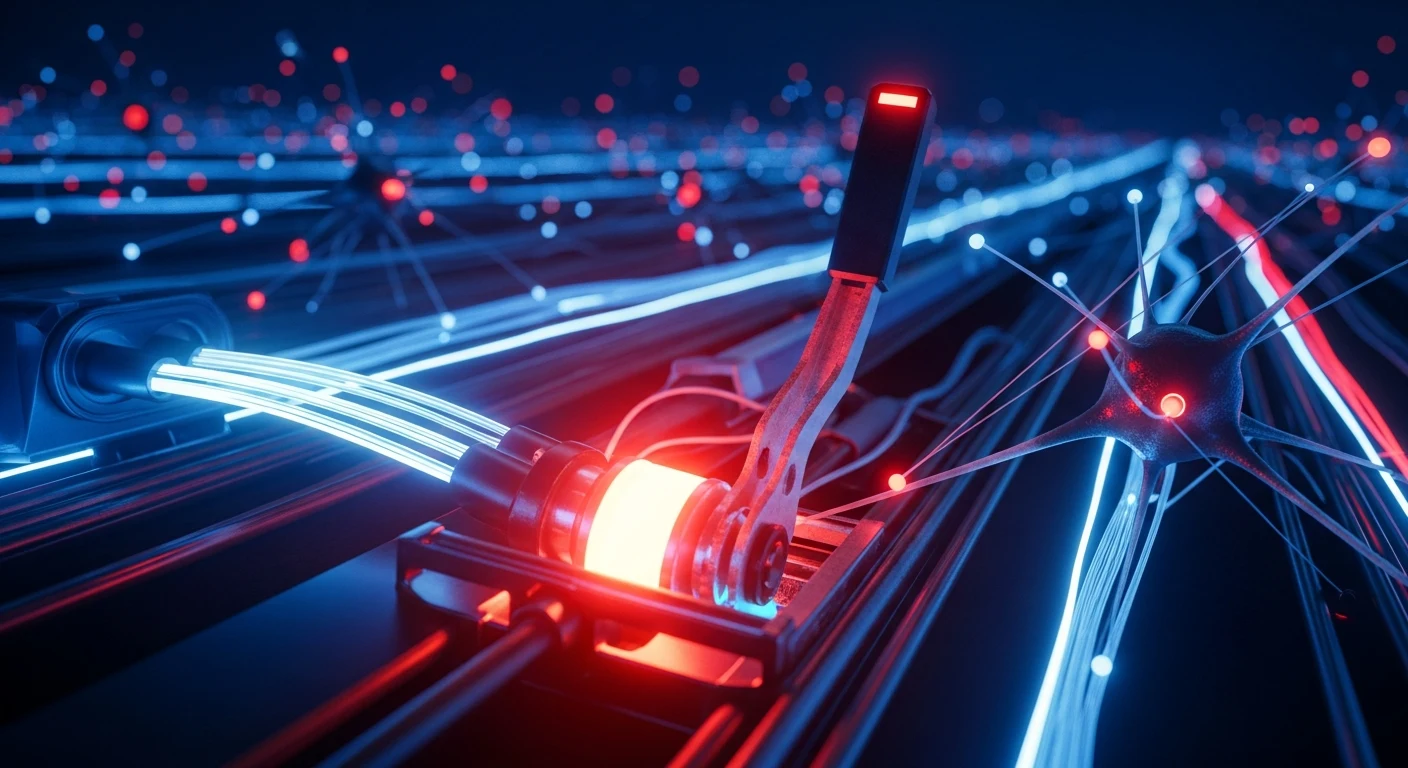
Demis Hassabis, the CEO and co-founder of Google DeepMind, is actively shifting the conversation from theoretical AI doom to practical governance. In a recent proposal, Hassabis outlined a blueprint for a global AI watchdog. But unlike the myriad of advisory boards and ethical think tanks that currently exist, this proposed organization would have teeth. Specifically, it would possess the authority to evaluate cutting-edge "frontier" models before they reach the public sphere, and crucially, the power to hit the emergency brakes if those models are deemed too dangerous.
To understand how this might work, Hassabis points to the financial sector. He suggests the new AI watchdog could be modeled after institutions like the Financial Industry Regulatory Authority (FINRA) in the United States. Just as financial regulators audit complex trading algorithms and stress-test banks to prevent market collapse, an AI regulator would stress-test neural networks to prevent societal harm.
To ensure this body isn't simply a rubber stamp for big tech companies, Hassabis envisions it being staffed by leading independent experts and representatives from the open-source community. This diverse coalition would theoretically provide the technical chops needed to audit black-box models without being beholden to corporate profit motives. It’s an acknowledgment that tech giants cannot be left to grade their own homework when the stakes are global.
However, the most provocative aspect of Hassabis's proposal lies in its geopolitical mechanics. He argues that the United States is uniquely positioned to lead this global initiative, citing its current economic and technical supremacy in the AI race. By taking the helm, the US would effectively set the safety standards for the rest of the world.
This specific recommendation opens up a complex web of questions regarding international cooperation. While the need for a global referee is becoming increasingly apparent, the idea of a single nation holding the whistle is likely to spark intense debate among international policymakers. Can a US-led institution fairly regulate a technology that transcends borders and impacts every global citizen?
Ultimately, Hassabis's proposal highlights a critical maturation in the AI industry. The era of "move fast and break things" is giving way to a sober recognition that we are building infrastructure that could alter human history. As the race to develop artificial general intelligence accelerates, the parallel race to build the institutional architecture to control it has officially begun.
Key Points
- Google DeepMind's CEO is advocating for a global AI watchdog with the power to halt dangerous model releases.
- The proposed body would function similarly to financial regulators like FINRA, auditing systems before they go public.
- It would rely on independent experts and open-source representatives to ensure objective oversight.
- Hassabis believes the US should lead the initiative to establish global AI safety standards.
Why It Matters
As AI models grow exponentially more powerful, establishing a globally recognized authority to test and potentially halt them is becoming a pressing governance challenge.
Sources:
更多专栏

Taking the Wheel: How Facebook Wants You to Train Its Algorithm
Imagine being at a party where the DJ is locked in a soundproof booth. They watc...

The AI Detective: How OpenAI Caught an Insider Threat
Corporate espionage usually conjures images of hidden cameras, shadowy informant...

Your App Store is Becoming a Personal AI Concierge
For over a decade, app stores have functioned like massive, somewhat rigid digit...