The Quiet Lawyer Outsmarting Tech Billionaires
Picture a high-stakes courtroom where one of the world’s most powerful tech billionaires is visibly losing his patience. During a tense cross-examination, Elon...
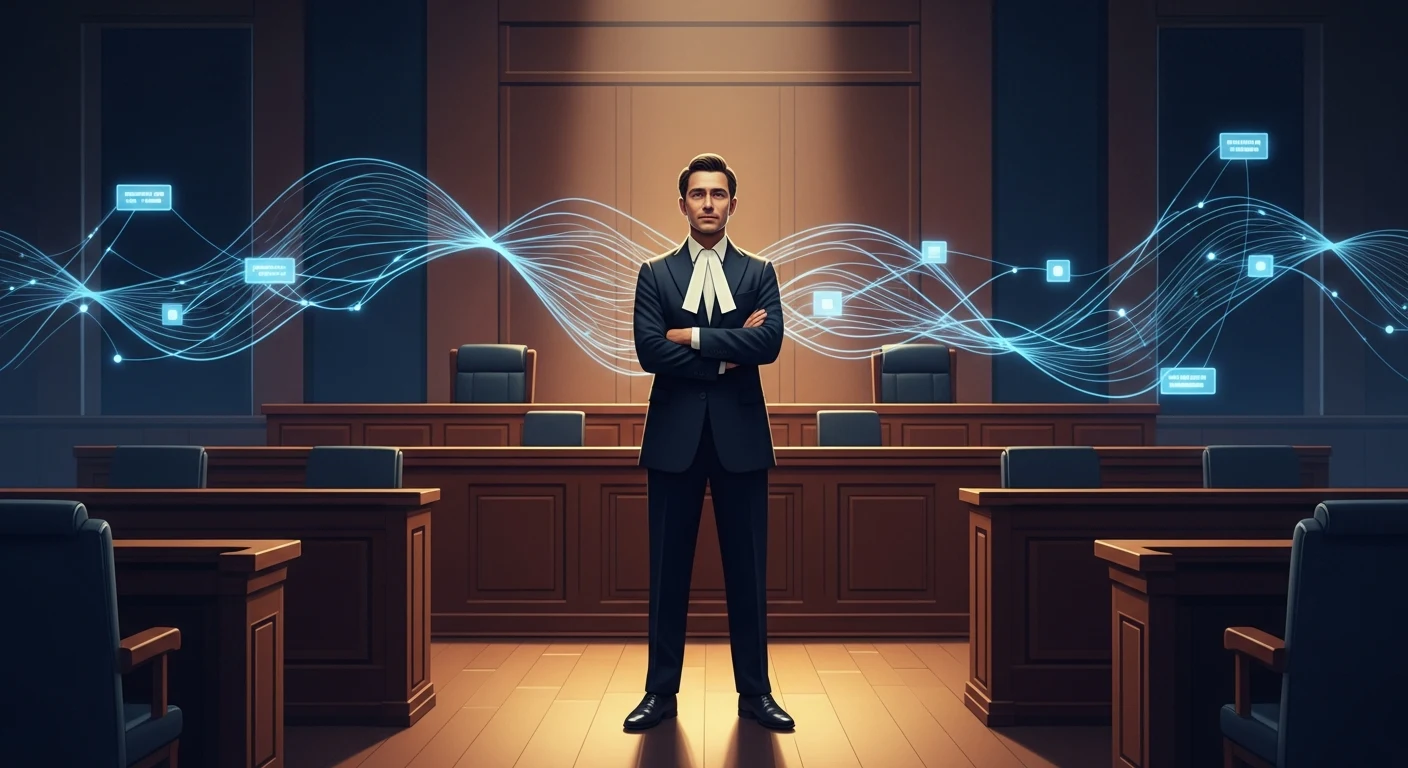
Picture a high-stakes courtroom where one of the world’s most powerful tech billionaires is visibly losing his patience. During a tense cross-examination, Elon Musk accused the opposing lawyer of asking "unfair questions" and deploying tactics "designed to trick me." The lawyer’s response was strikingly serene: "I am trying to put the questions as fairly as I can. I am doing my best."
The soft-spoken attorney on the other side of the room was Bill Savitt. Known for his mild-mannered demeanor—described by observers as having the gentle disposition of a "handsome Droopy Dog"—Savitt is far from a pushover. In fact, he is the formidable legal mind who has managed to outmaneuver Musk twice in major corporate battles, most recently defending Sam Altman and OpenAI against Musk’s high-profile lawsuit.
While the public is captivated by the rapid advancements of large language models and the race for artificial general intelligence (AGI), a quieter but equally crucial battle is unfolding in the legal arena. The lawsuit between Musk and OpenAI is not merely a personal grievance between former co-founders; it represents a fundamental clash over the soul and structure of the AI industry. At the heart of the dispute are complex questions about corporate governance, fiduciary duties, and the messy transition from a non-profit research lab to a capped-profit technological juggernaut.
This is where figures like Savitt step into the spotlight. In the tech world, founders often operate with a reality-distortion field, accustomed to moving fast, breaking things, and bending narratives to their will. But the courtroom is an entirely different environment, governed by strict evidentiary rules and methodical procedures. Savitt’s effectiveness lies in his ability to dismantle tech-billionaire bluster with calm, relentless precision. His understated cross-examination style strips away the hyperbole, forcing visionary entrepreneurs to answer concrete questions under oath.
The significance of these legal clashes cannot be overstated. As AI companies accrue unprecedented valuations and immense societal influence, the legal frameworks surrounding them are being stress-tested in real time. How these lawsuits are resolved will set vital precedents for how AI startups are governed, who ultimately controls transformative technologies, and how the promises made to early investors and the public are legally enforced.
We tend to think of the AI revolution as being authored exclusively by brilliant engineers typing lines of code in Silicon Valley. Yet, as the stakes grow astronomically high, the future of artificial intelligence is increasingly being shaped by sharp-suited attorneys in courtrooms. Technology dictates what AI is capable of achieving, but it is the law—and the quiet, methodical lawyers who wield it—that will ultimately define the boundaries of its power.
Key Points
- Lawyer Bill Savitt frustrated Elon Musk during the OpenAI lawsuit with a calm, methodical cross-examination style.
- Savitt has a history of successfully navigating high-stakes corporate litigation against powerful tech figures like Musk.
- The Musk v. Altman lawsuit highlights deep, structural conflicts over AI corporate governance and non-profit origins.
- Legal battles are becoming just as critical as technological breakthroughs in determining the future landscape of the AI industry.
Why It Matters
As AI companies grow in power and valuation, courtroom precedents will determine who controls foundational technologies and how corporate promises are legally enforced.
Sources:
- Meet the lawyer who beat Elon Musk — twice — The Verge - AI
更多专栏

Taking the Wheel: How Facebook Wants You to Train Its Algorithm
Imagine being at a party where the DJ is locked in a soundproof booth. They watc...

The AI Detective: How OpenAI Caught an Insider Threat
Corporate espionage usually conjures images of hidden cameras, shadowy informant...

Your App Store is Becoming a Personal AI Concierge
For over a decade, app stores have functioned like massive, somewhat rigid digit...