ChatGPT Gets a Physical Form: OpenAI's Move Into Your Living Room
For the better part of a decade, the "smart" speakers in our homes haven't actually been all that smart. They are essentially glorified egg timers, weather...
For the better part of a decade, the "smart" speakers in our homes haven't actually been all that smart. They are essentially glorified egg timers, weather reporters, and music players. But the era of the passive, easily confused voice assistant might be coming to an abrupt end.
According to a recent Bloomberg report, OpenAI is preparing to release its very first piece of hardware this year: a smart speaker powered by ChatGPT. However, this device is reportedly taking a radically different approach to home computing than its predecessors.
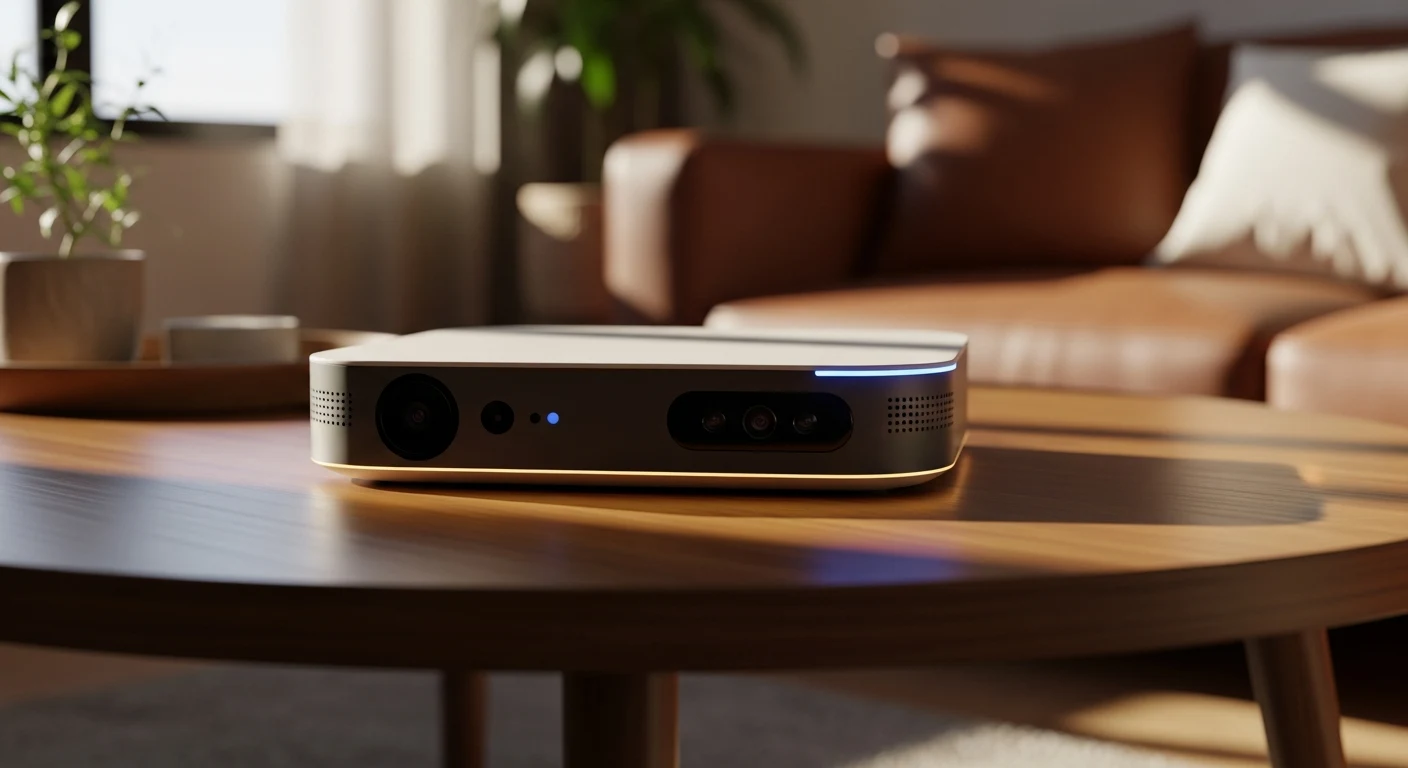
Instead of slapping a touchscreen onto a speaker, OpenAI is opting for a screenless design equipped with a camera and an array of environmental sensors. The goal isn't to give you another display to stare at, but to give the AI the ability to actually "understand" its surroundings. Traditional voice assistants rely on rigid command-and-response programming; if you don't phrase your request perfectly, they fail. ChatGPT, on the other hand, thrives on natural, messy human conversation and multimodal inputs.
Imagine asking your speaker, "What can I make with the ingredients on the counter?" and having it use its camera to identify your groceries and suggest a recipe. Combined with a rechargeable battery that allows you to carry it from room to room, this device is designed to be a portable, context-aware companion rather than a stationary appliance. It will also reportedly integrate seamlessly with smart home systems.
Stepping into the hardware arena is rarely simple, and the stakes are incredibly high. Apple has already filed a lawsuit against OpenAI, alleging the theft of hardware secrets—a claim OpenAI has publicly dismissed. This legal friction underscores just how fiercely tech giants are fighting to control the physical vessels that will house the next generation of artificial intelligence.
If these reports hold true, we are witnessing a fundamental shift in human-computer interaction. Generative AI is breaking out of the browser tab and entering our physical spaces. An AI that can see your living room, understand the context of your daily routines, and converse with the fluidity of ChatGPT is a massive leap forward. The real question isn't whether the technology will work, but how our relationship with machines will change when they are no longer just software, but physical presences sharing our homes.
Key Points
- OpenAI is reportedly developing its first hardware product: a ChatGPT-powered smart speaker.
- The device will lack a screen but feature a camera and sensors to perceive its physical surroundings.
- It is designed for portability with a rechargeable battery and will include smart home controls.
- A recent lawsuit from Apple over hardware secrets highlights the intense competition in the emerging AI hardware market.
Why It Matters
Generative AI is transitioning from digital interfaces to physical devices, promising a future where home assistants truly understand the context of our daily lives rather than just executing basic commands.
Sources:
- OpenAI may announce a ChatGPT smart speaker this year — The Verge - AI
更多专栏

Taking the Wheel: How Facebook Wants You to Train Its Algorithm
Imagine being at a party where the DJ is locked in a soundproof booth. They watc...

The AI Detective: How OpenAI Caught an Insider Threat
Corporate espionage usually conjures images of hidden cameras, shadowy informant...

Your App Store is Becoming a Personal AI Concierge
For over a decade, app stores have functioned like massive, somewhat rigid digit...